Canoe Country
Every summer, my dad and I make a pilgrimage to the vast wilderness area dividing Minnesota and Canada. Its rugged terrain enforces a pristine wilderness where moose, bears, wolves, and small mammals live off the land and survive the harsh climates. Photographs in this section are all taken from the Boundary Waters Canoe Area and the Quetico Provincial Park.
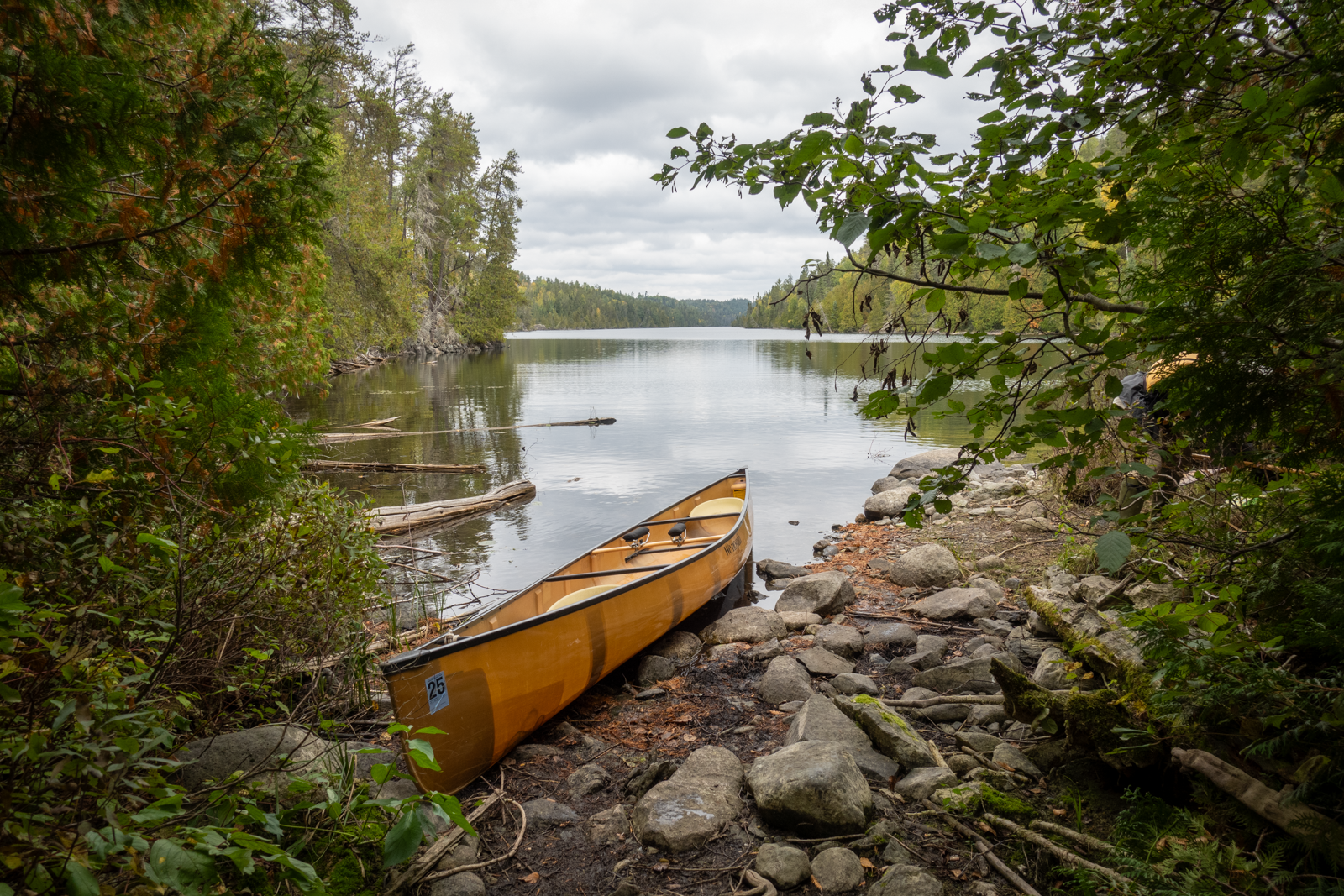
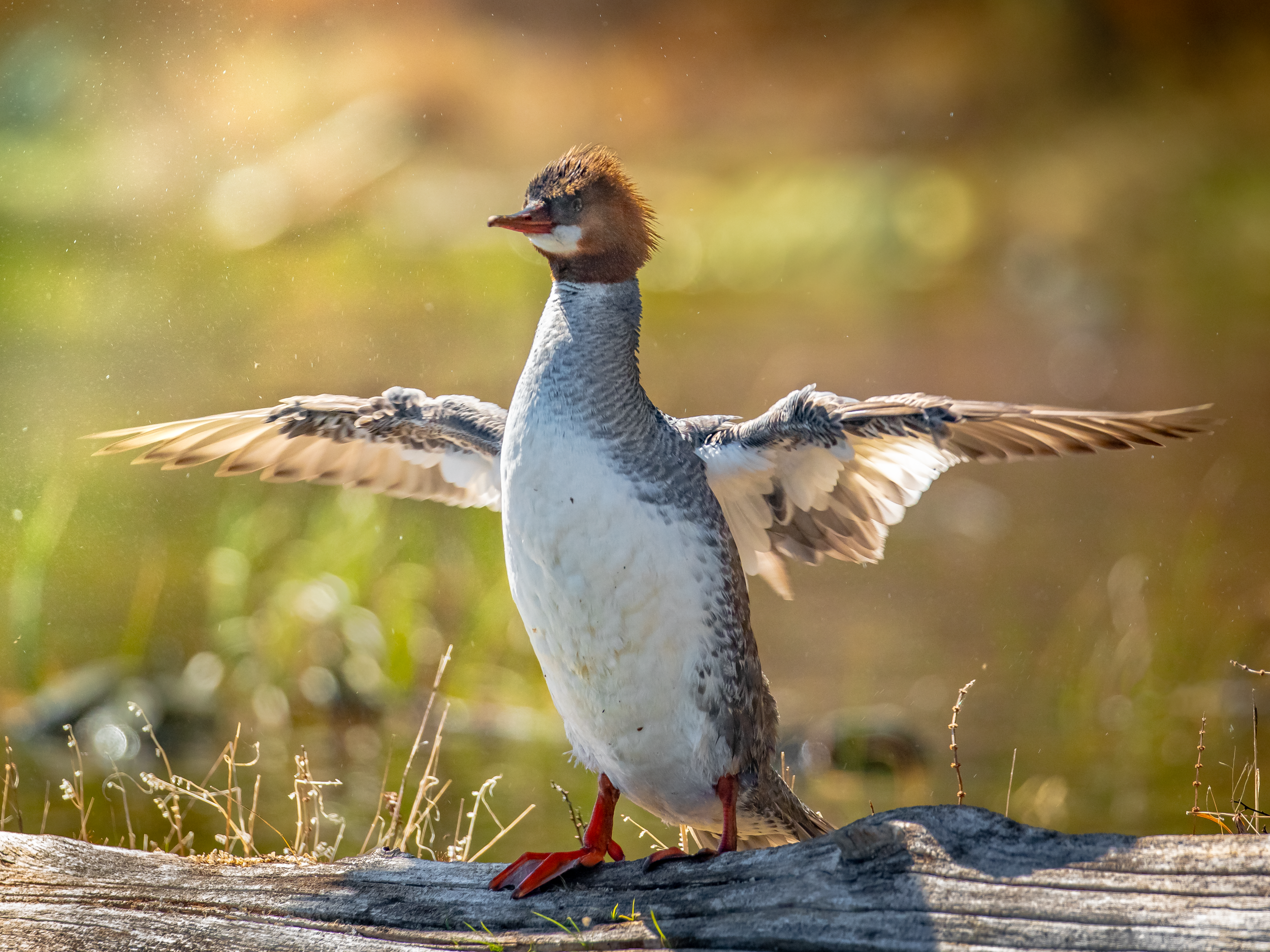
"Look ma, no hands."
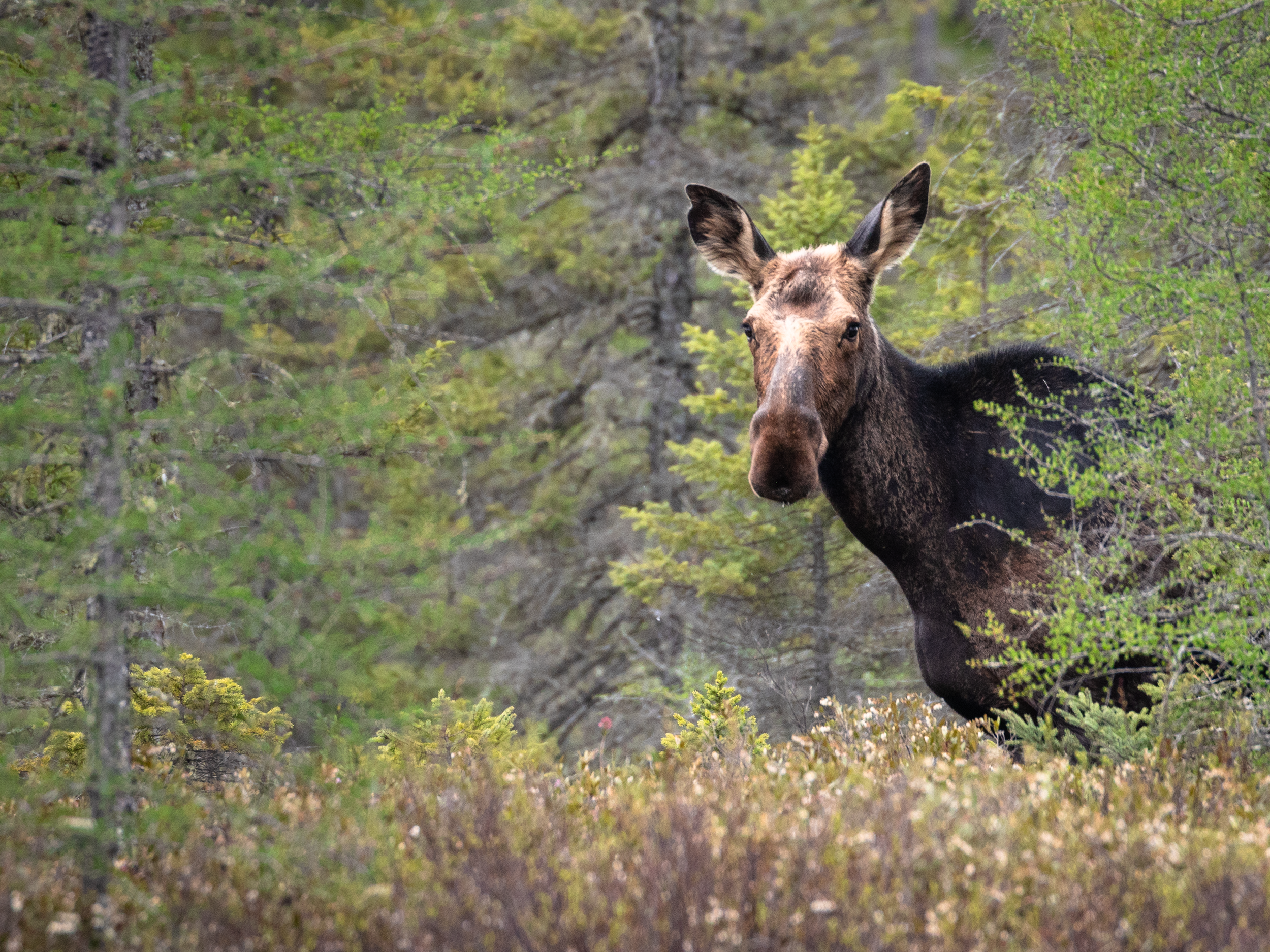
"Peeking Moose."
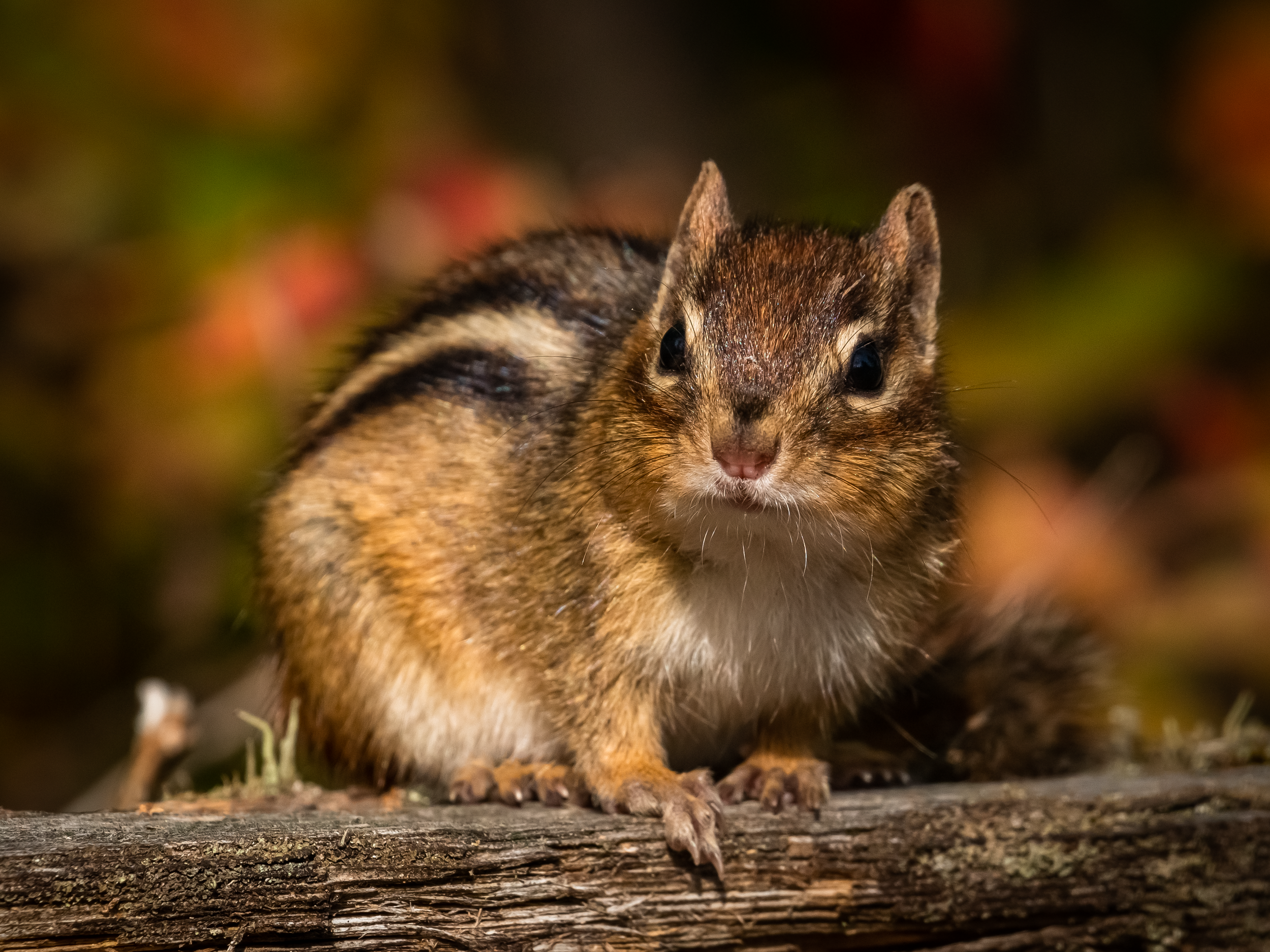
"Thief."
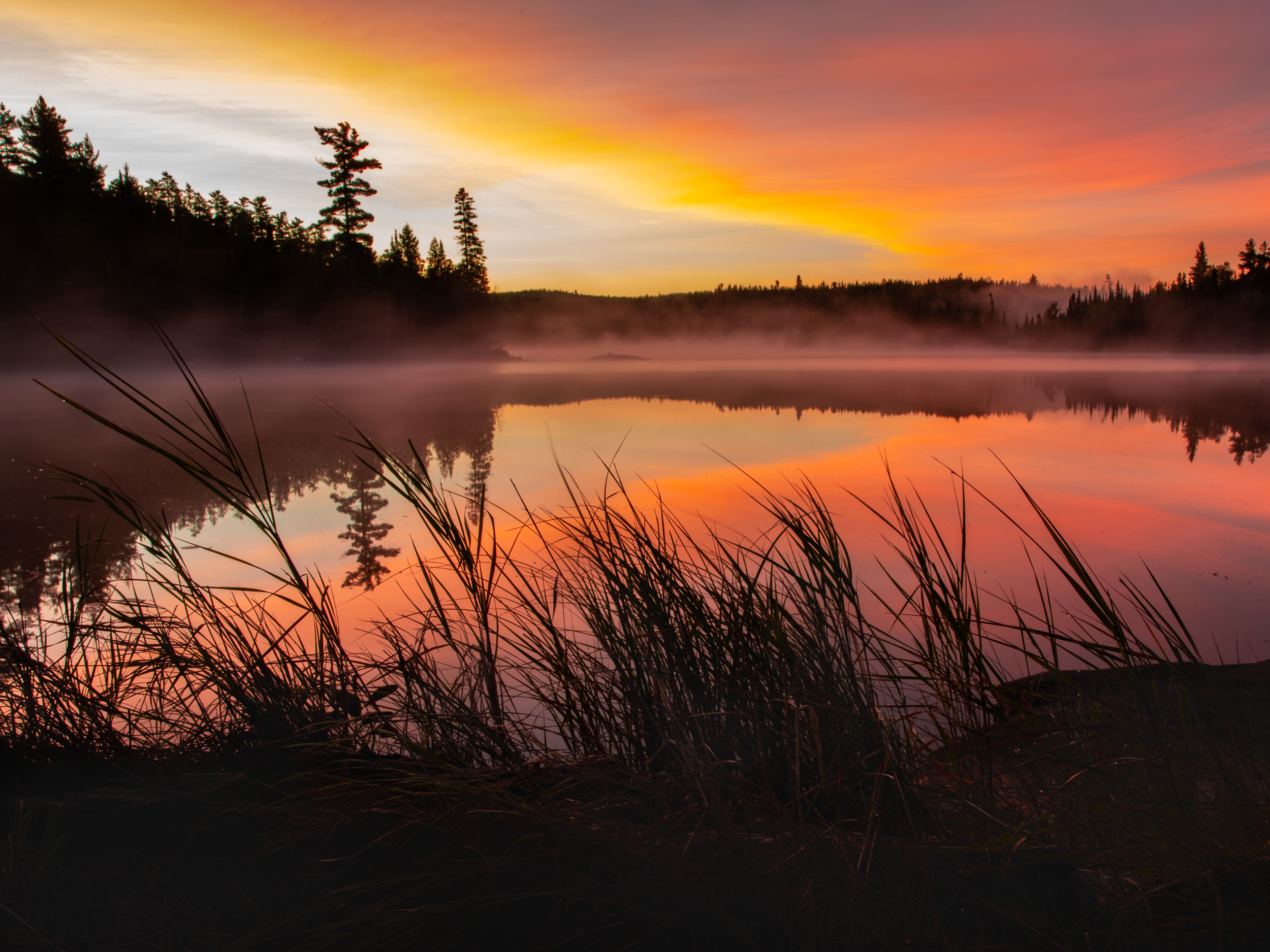
"Peace." Nestled between two sections of the South Arm of Knife Lake lies the serene Toe Lake. With white cap waves breaking over the bow of the canoe during the day, we sought refuge for the night on this marshy shore.
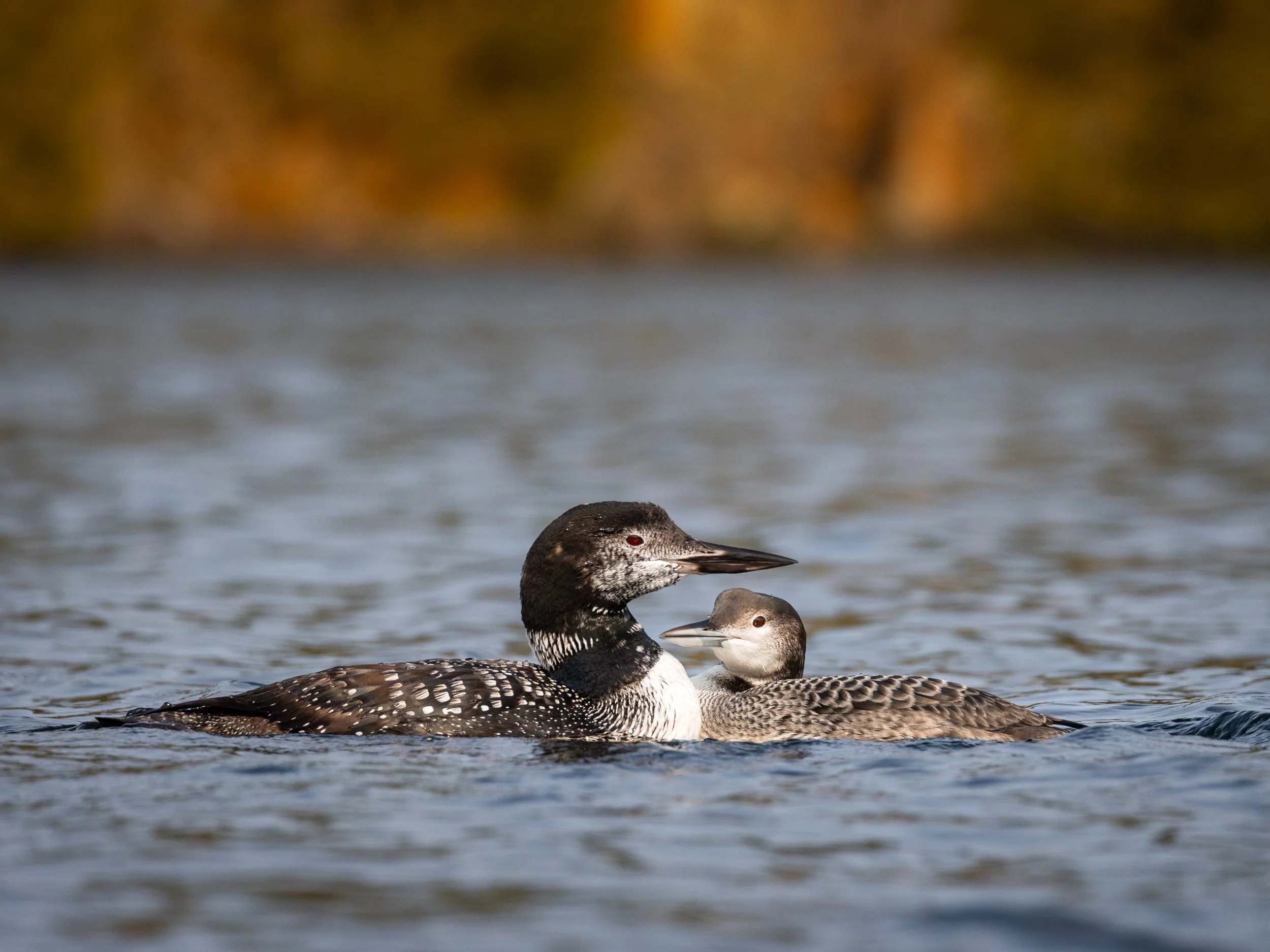
"Teacher." This common loon is the Minnesota state bird. Loons nest in Minnesota in the summer where they raise their young in large lakes, teaching them not to fly, but to swim. These birds are incredible divers, reaching high speeds underwater in their pursuit for fish. As the leaves turn and the days shorten, loons and their summer chicks migrate south in search of warmer waters.
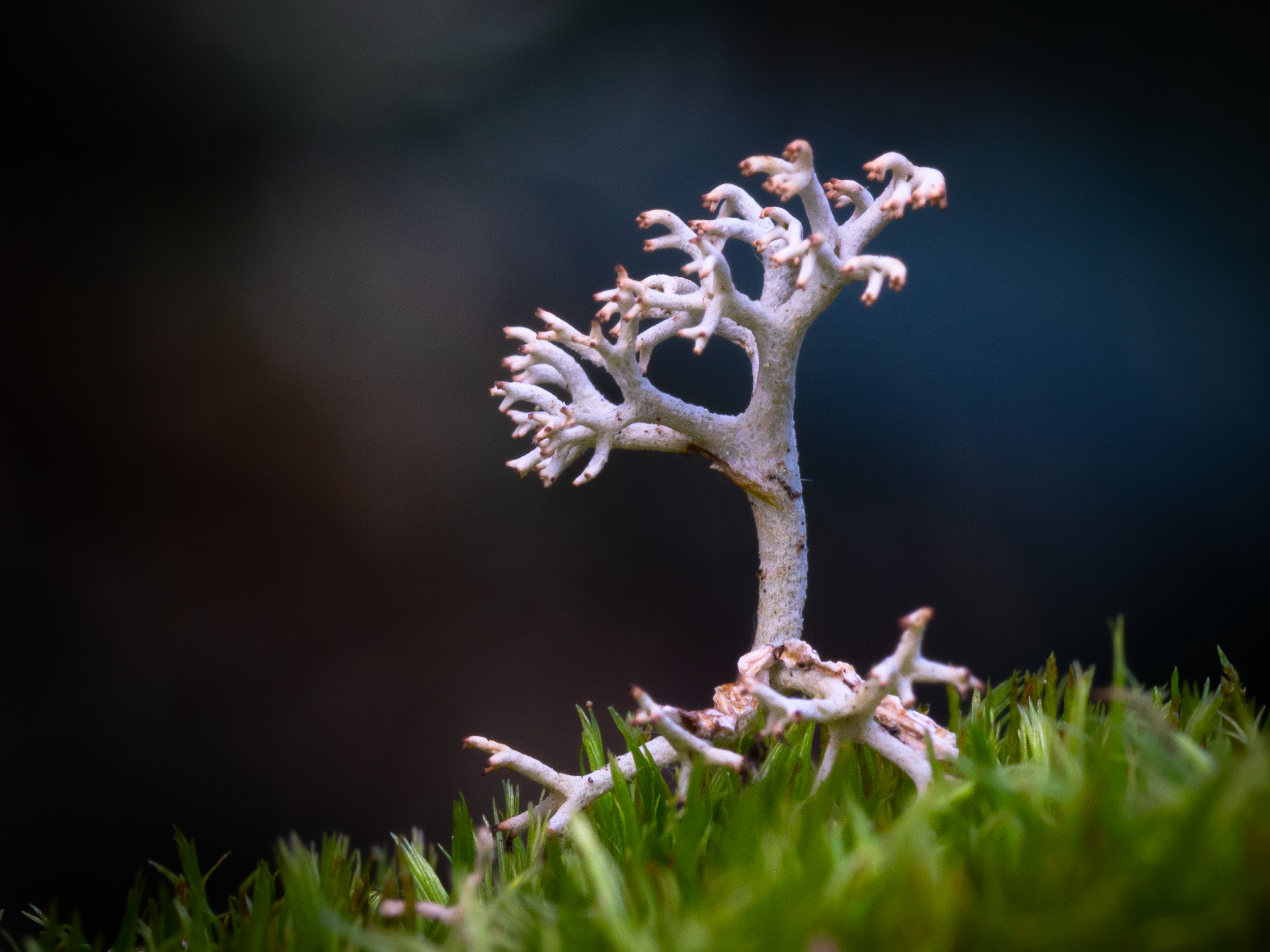
"Radioactive." Caribou moss derives nutrients not from roots, but from airborne particles. During nuclear testing in the 1950s and 1960s, this feature turned caribou moss into the perfect sponge for nuclear fallout. These radioactive particles accumulated in the caribou who grazed on these plants in the northern regions and the arctic. Humans, too, that hunted or farmed caribou for food were shown to be impacted.
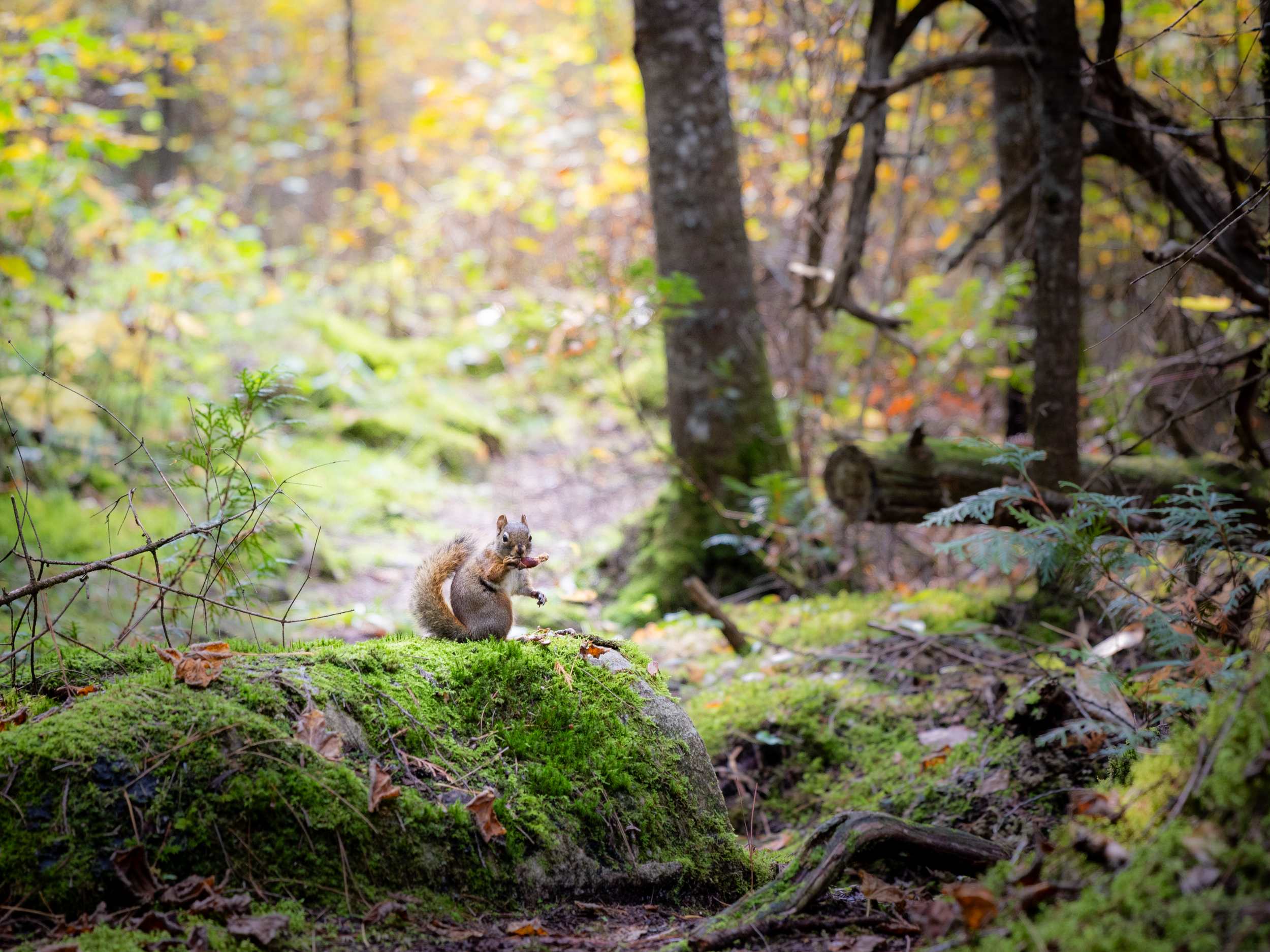
"This way."
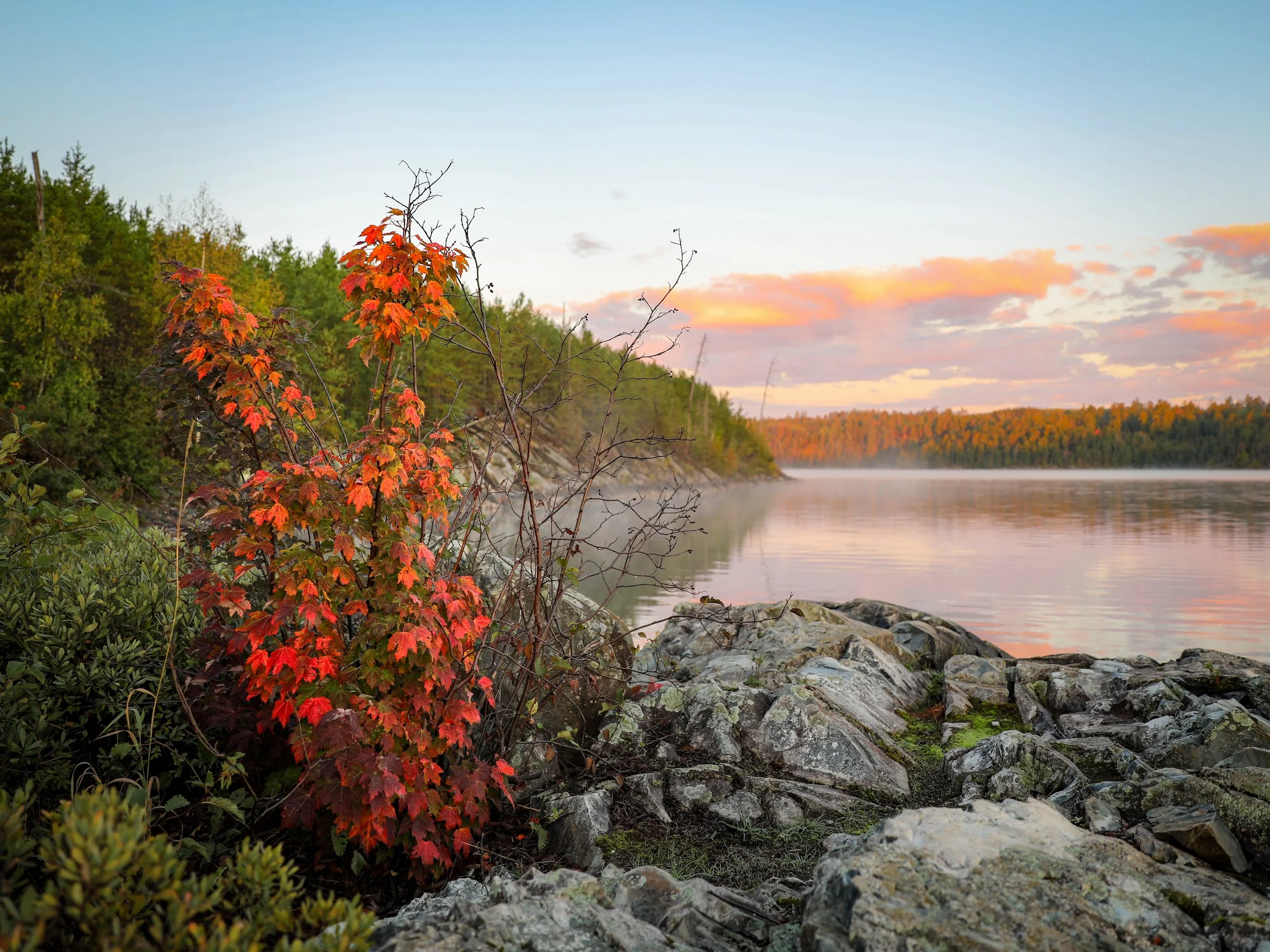
"Changes." Taken on Knife Lake, BWCA.
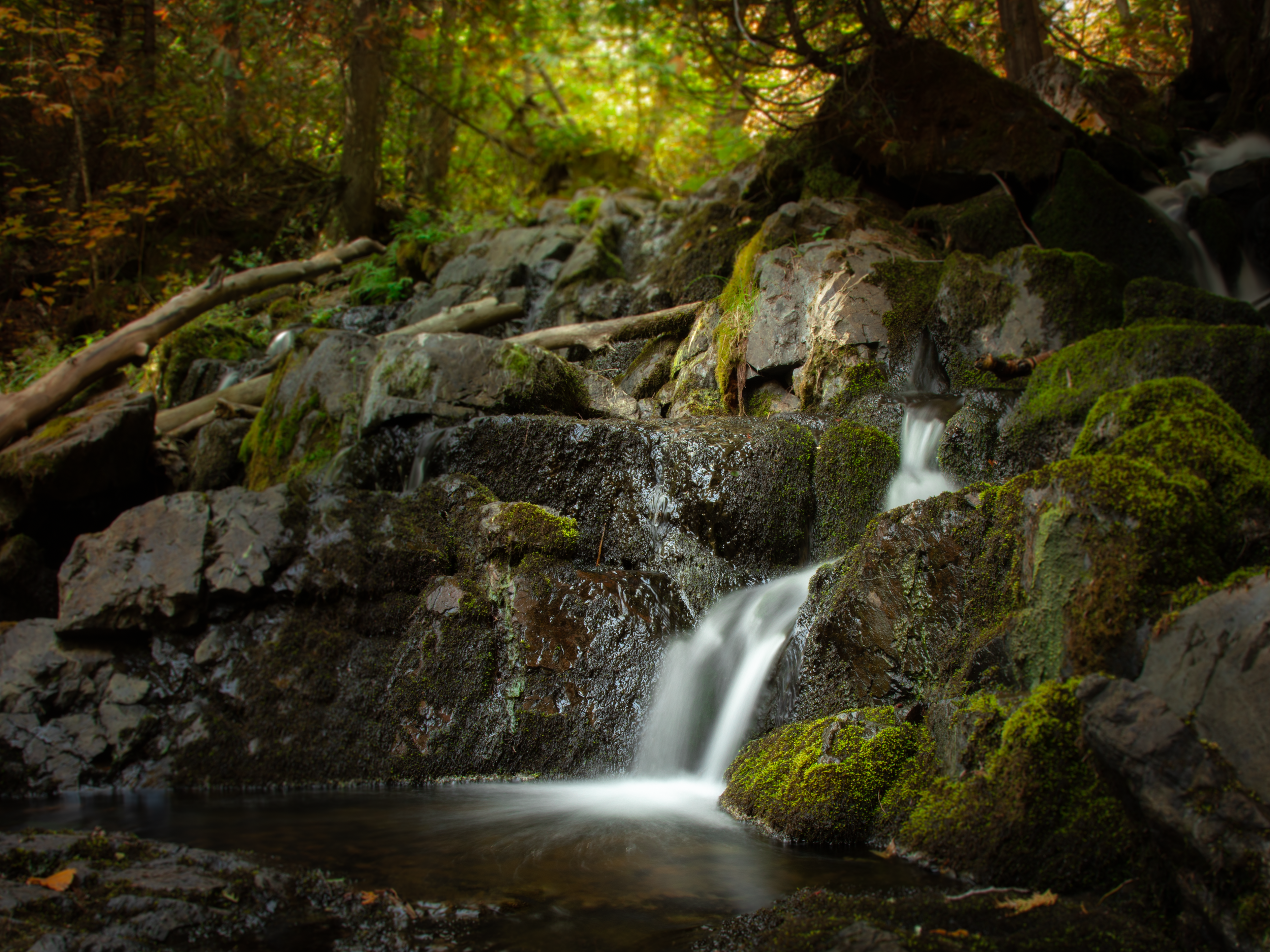
"Serenity."
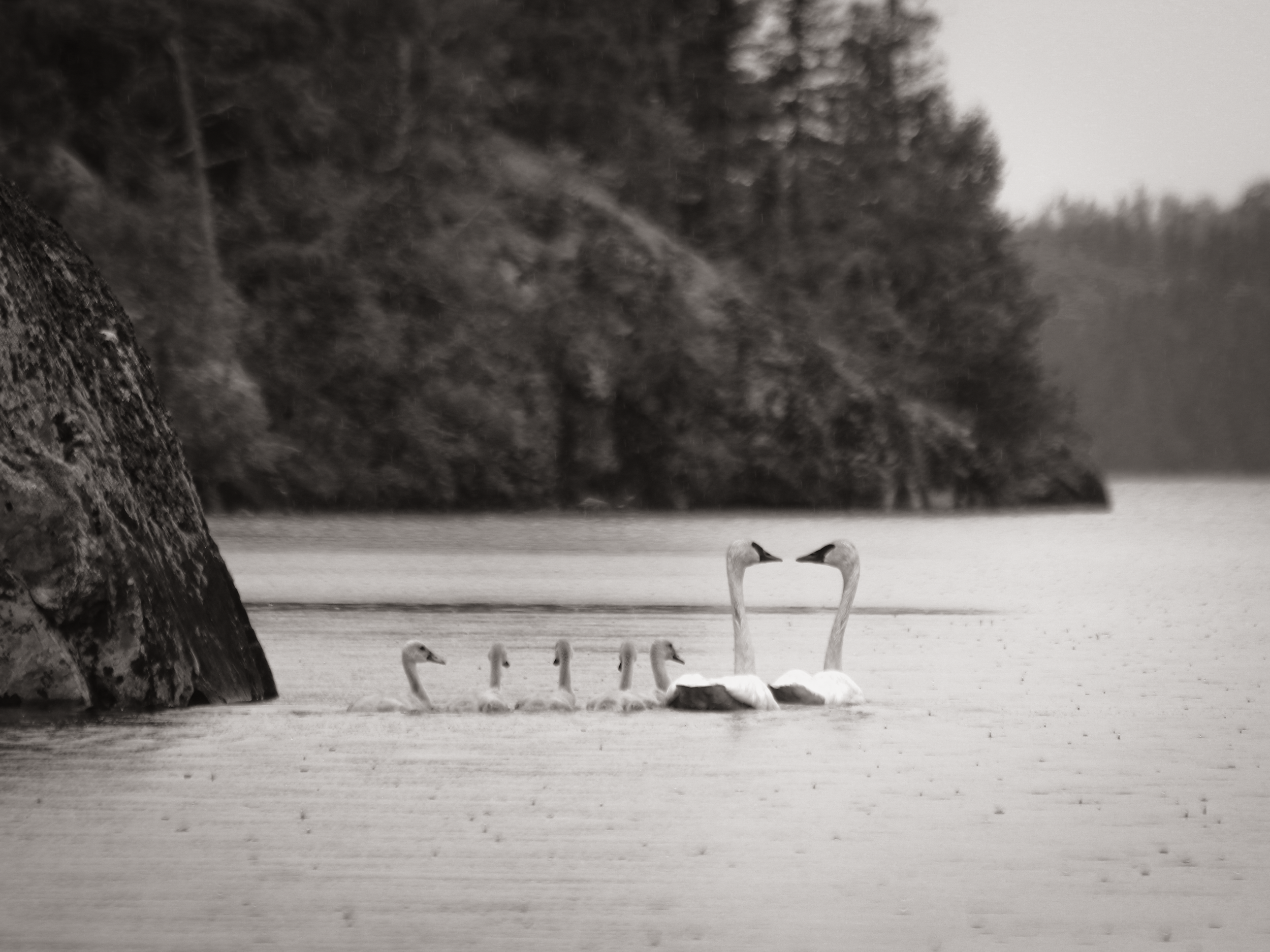
"Family outing." The trumpeter swan is a large swan native to North America. They represent an incredible history of conservation in the region. Hunted to the brink of extinction in the early 1900s, there were less only 69 birds known to remain in the contiguous United States by 1932. In remote areas of Alaska, the existence of an additional 1,000 - 2,000 swans allowed conservationists the opportunity to protect and preserve this species and eventually reintroduce trumpeter swans back to the United States and Canada. Now, sightings of trumpeter swans are common across the BWCA and Quetico where these birds can be seen raising their families during the summer months and nesting along the shorelines.
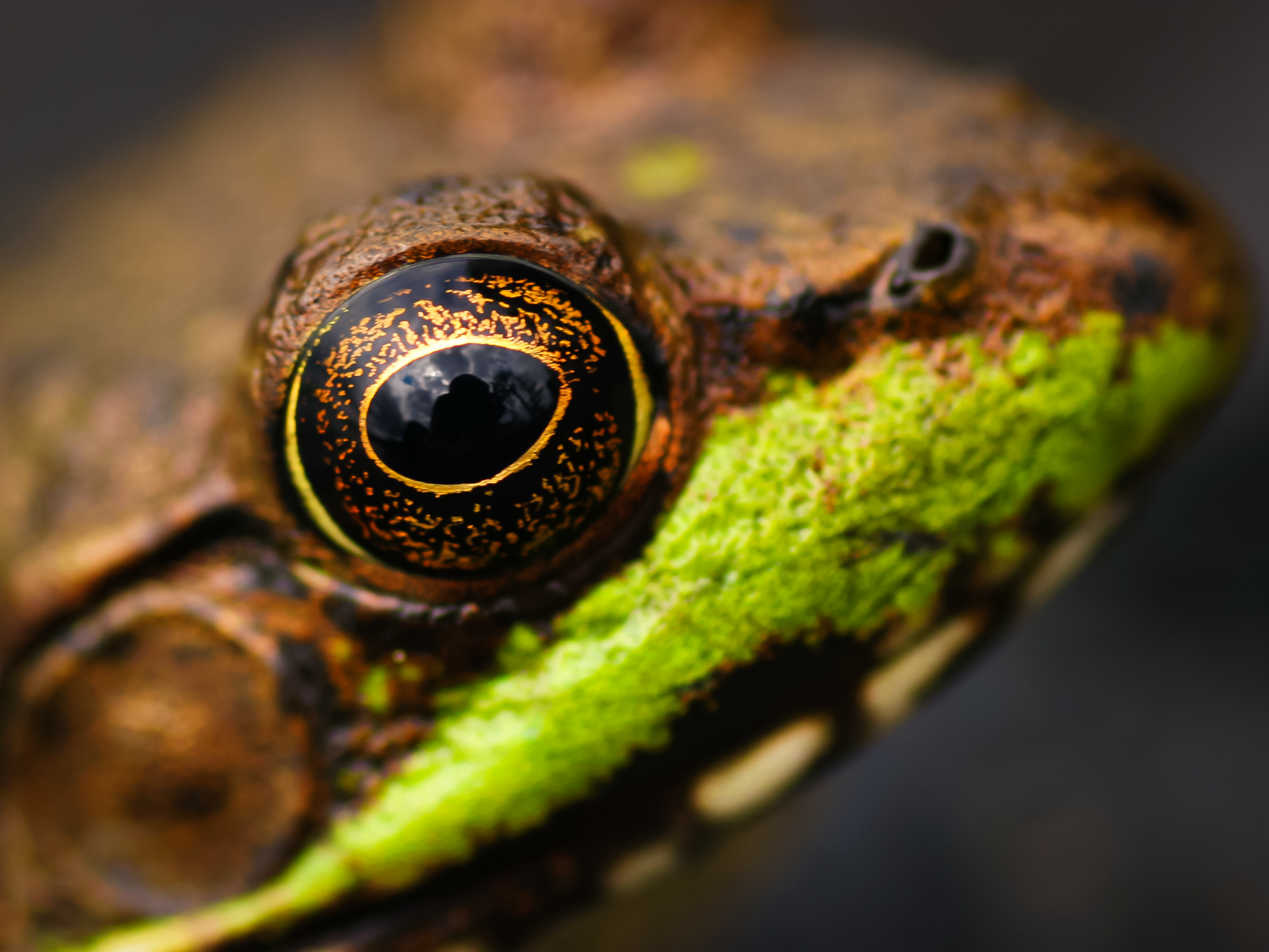
"Self portrait." I suppose that I am not sufficiently birdlike in my appearance to strike fear in the hearts of frogs. This wide-angle view of a frog's eye places the photographer in a gold-rimmed frame.
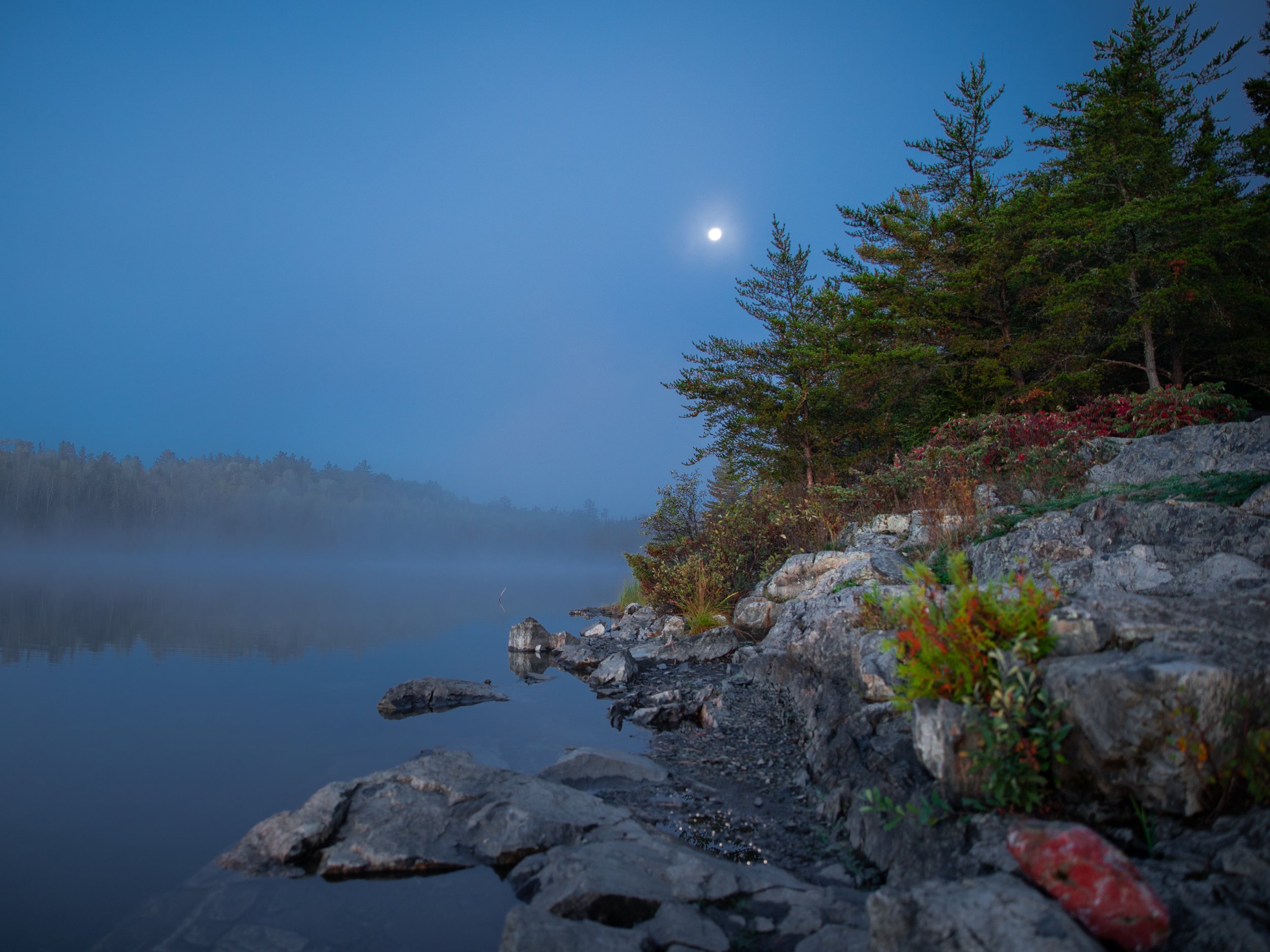
"Twilight."