Arctic Summer
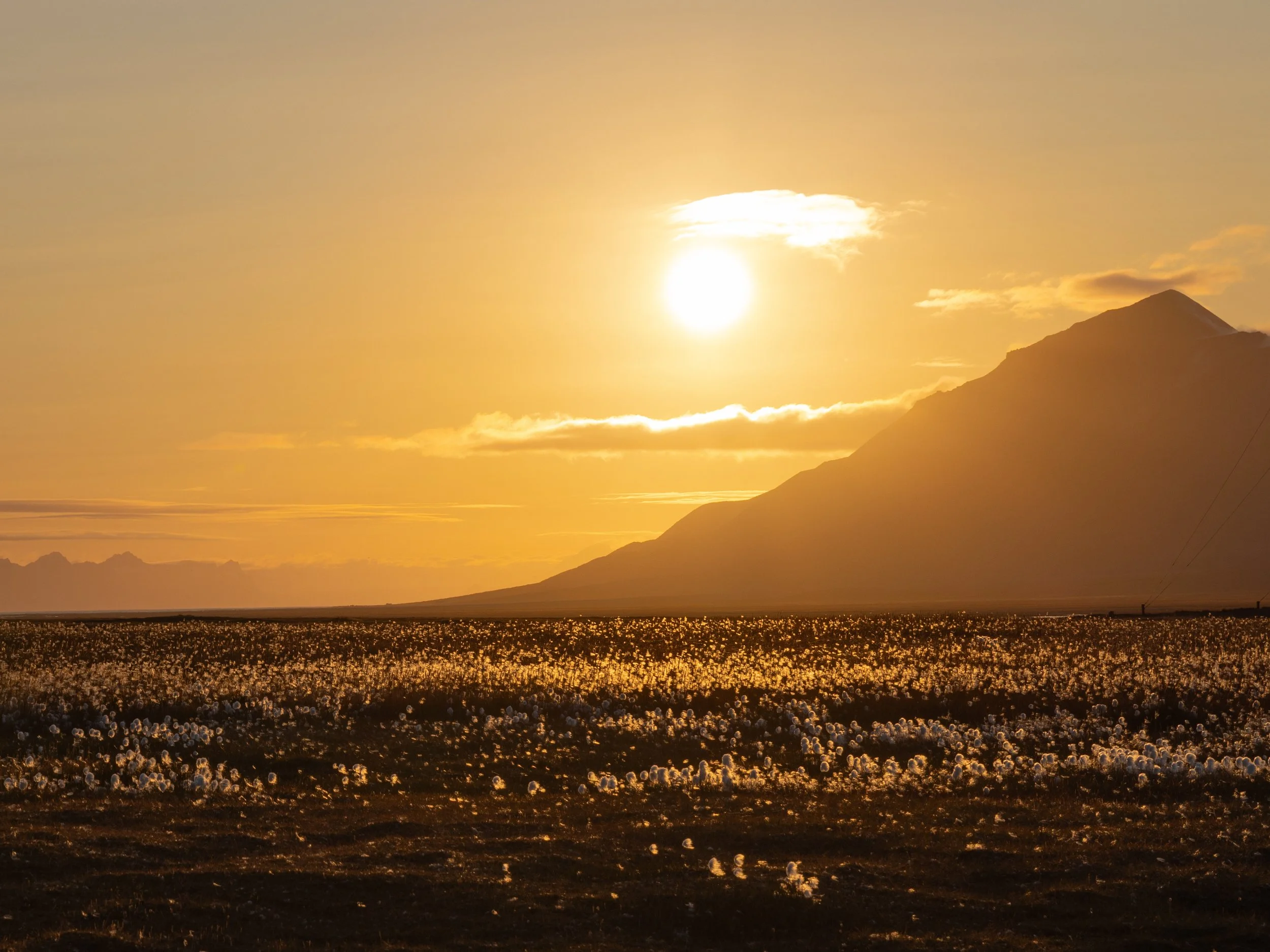
For about four months, the sun doesn't set on Svalbard, a Norwegian archipelago in the arctic circle. This phenomenon, known as the midnight sun, brings hours of golden light, flooding the valleys and illuminating this strange landscape.
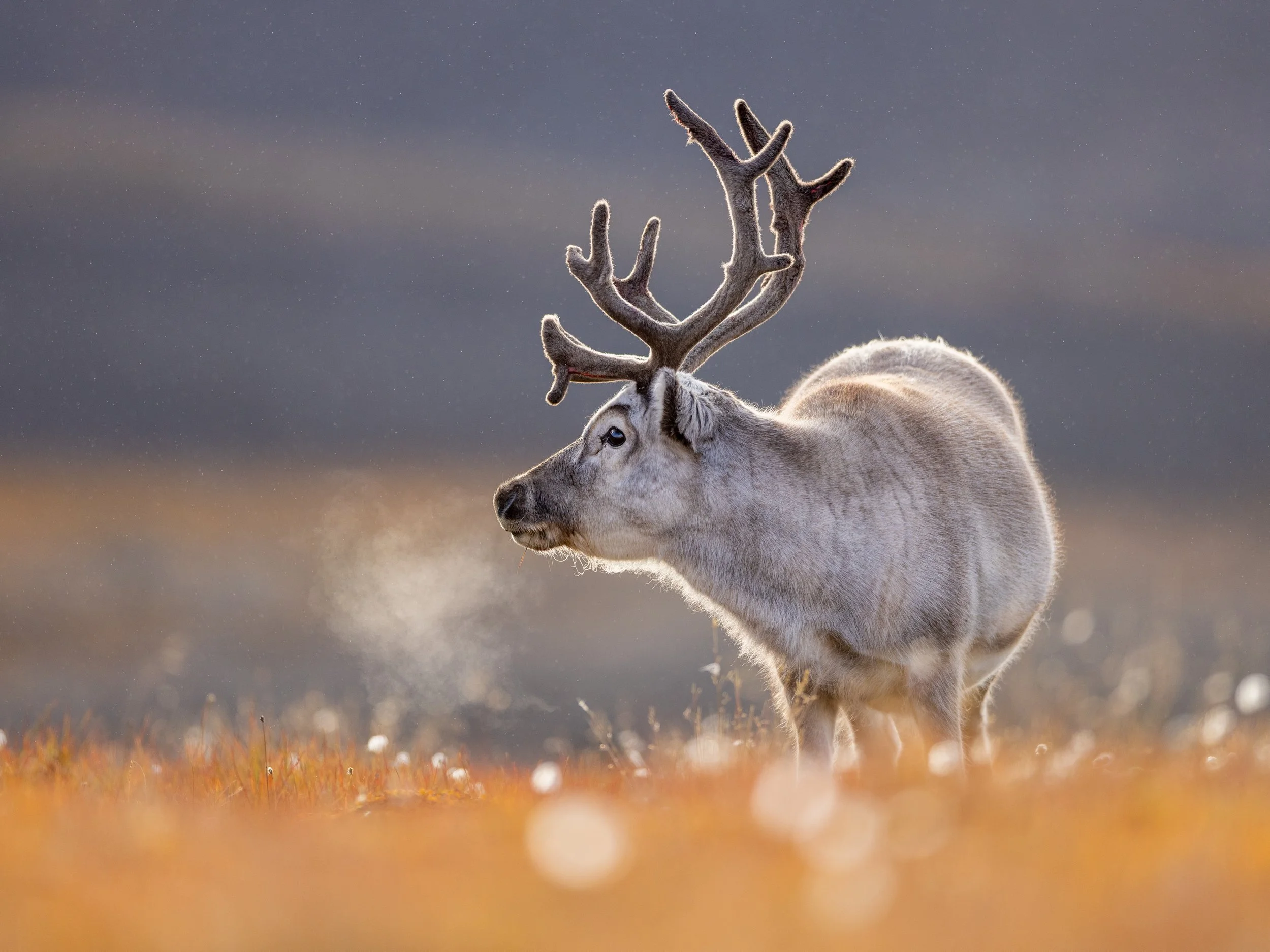
"Reindeer." The Svalbard reindeer are the smallest subspecies of reindeer in the world. They have short legs and rounded heads and pay little attention to humans or other wildlife. Males develop antlers from April to July and shed them in early winter. They are adapted to the harsh conditions of Svalbard and have thick, fluffy fur to keep them warm.
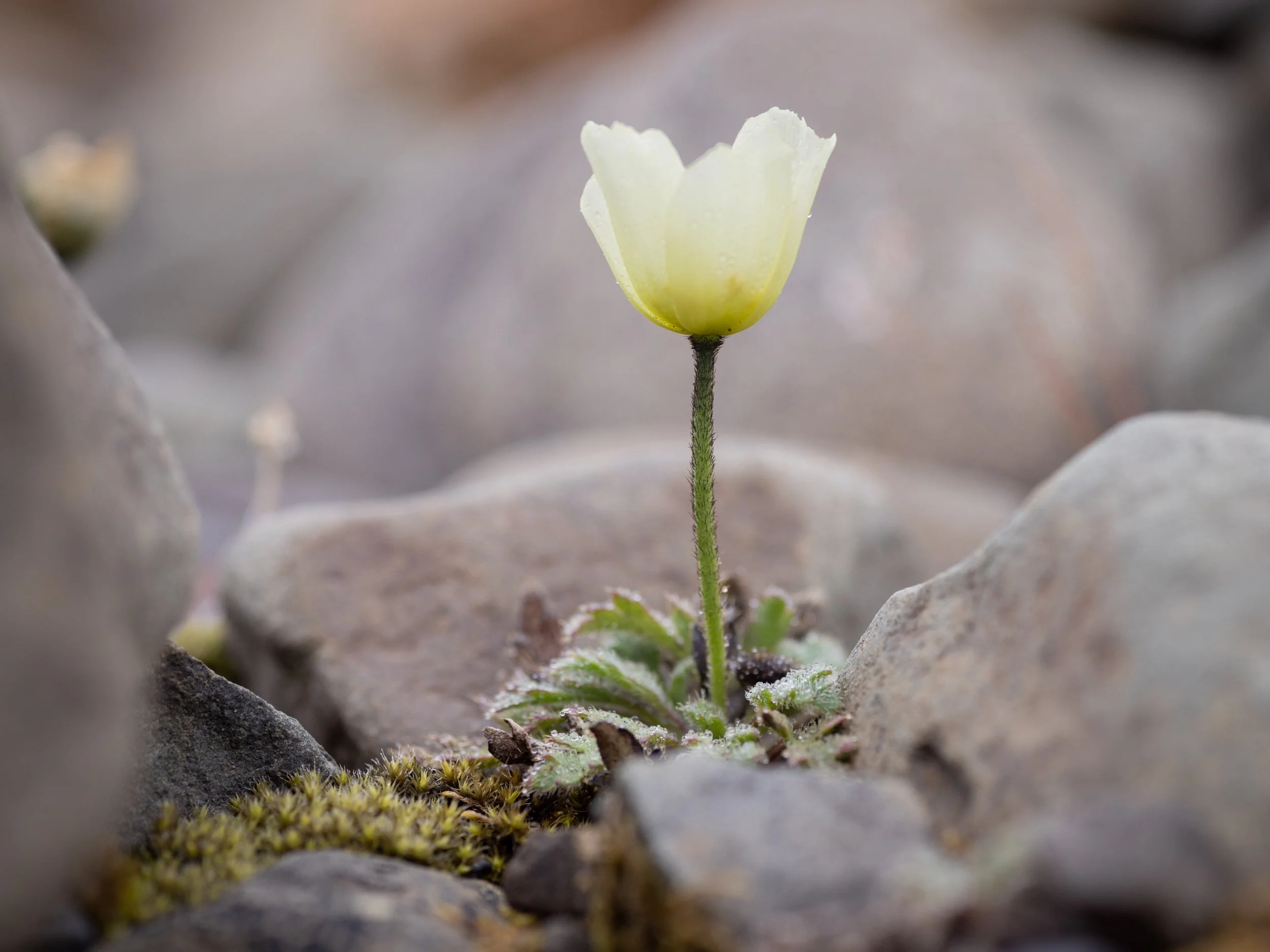
"Svalbard Poppy." Oreomecon dahliana, known as the Svalbard poppy, is the unofficial national flower of Svalbard. Its delicate yellow petals lie in contrast to the harsh rocky landscapes. They dot trails, roadways, and mountains. The seeds of the poppy also feed summer visitors such as the snow bunting, a small bird that nests in the Arctic.
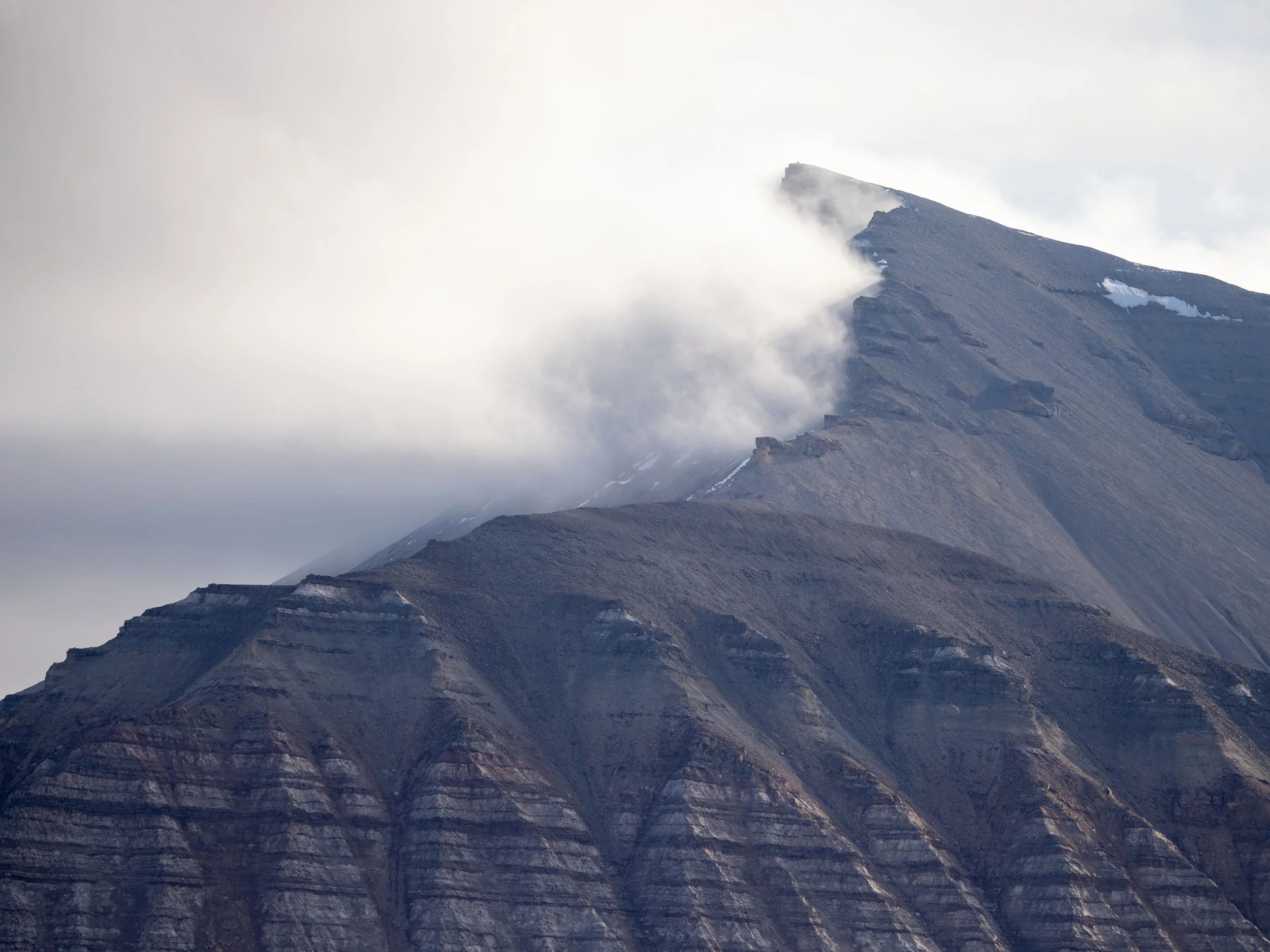
"Black and White." Dramatic black cliffs span the shoreline of Billefjorden. In summer, the frigid Arctic waters are passable by boat, giving a rare view of the glaciers and the wildlife that survives these harsh conditions.
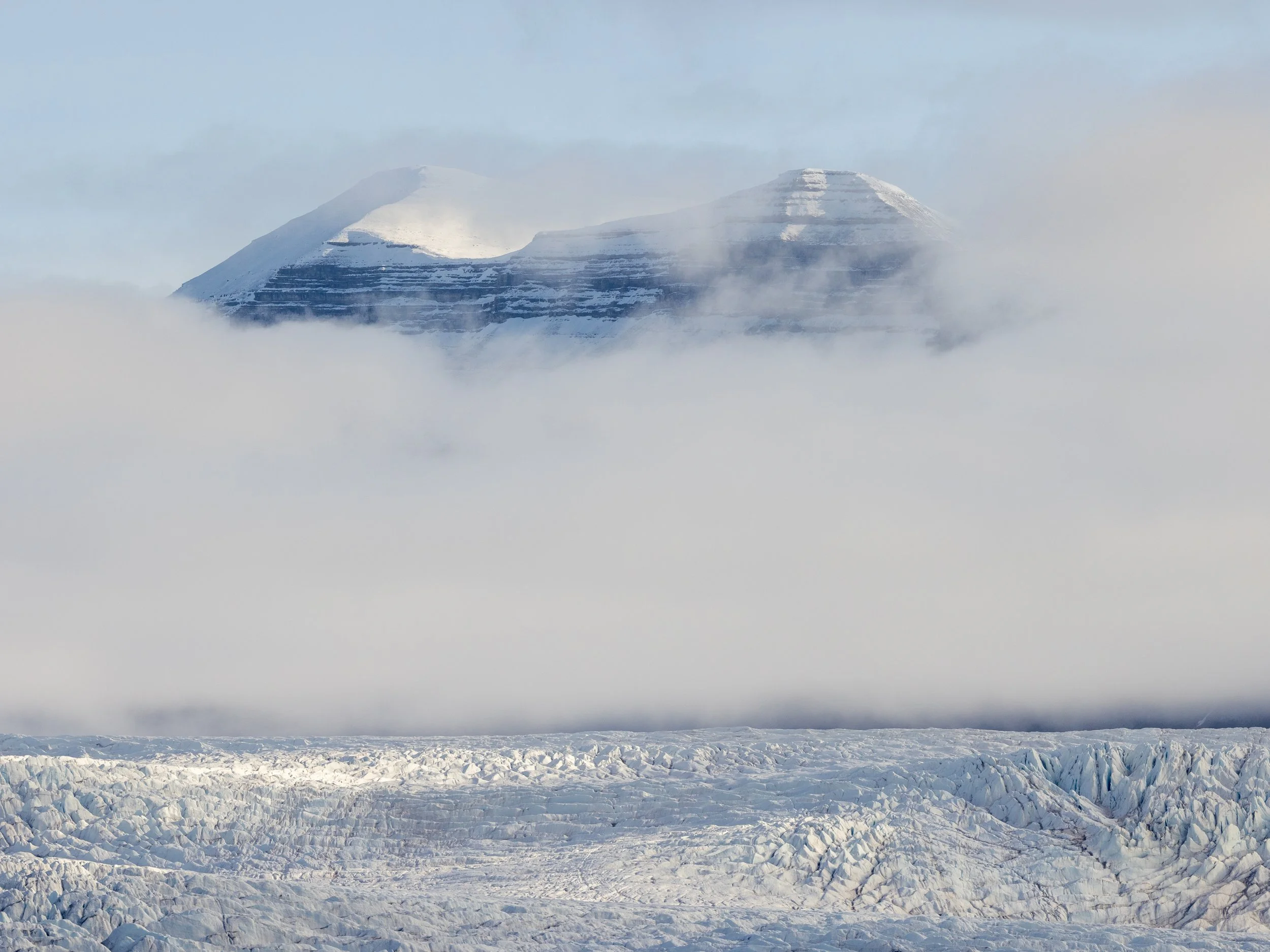
"Nordenskiöldbreen." Nordenskiöldbreen, the Nordenskiöld Glacier, can be seen in summer from Billefjorden by boat and is frequented not just by tourists and researchers, but also by polar bears, walruses, and seals. It measures 16 miles long and 6.8 miles wide. Like many Svalbard glaciers, it has been retreating since the late 1800s, with its front pulling back roughly 1-2 miles. Once terminating in the ocean, Nordenskiöldbreen is now transitioning to a land-terminating glacier.
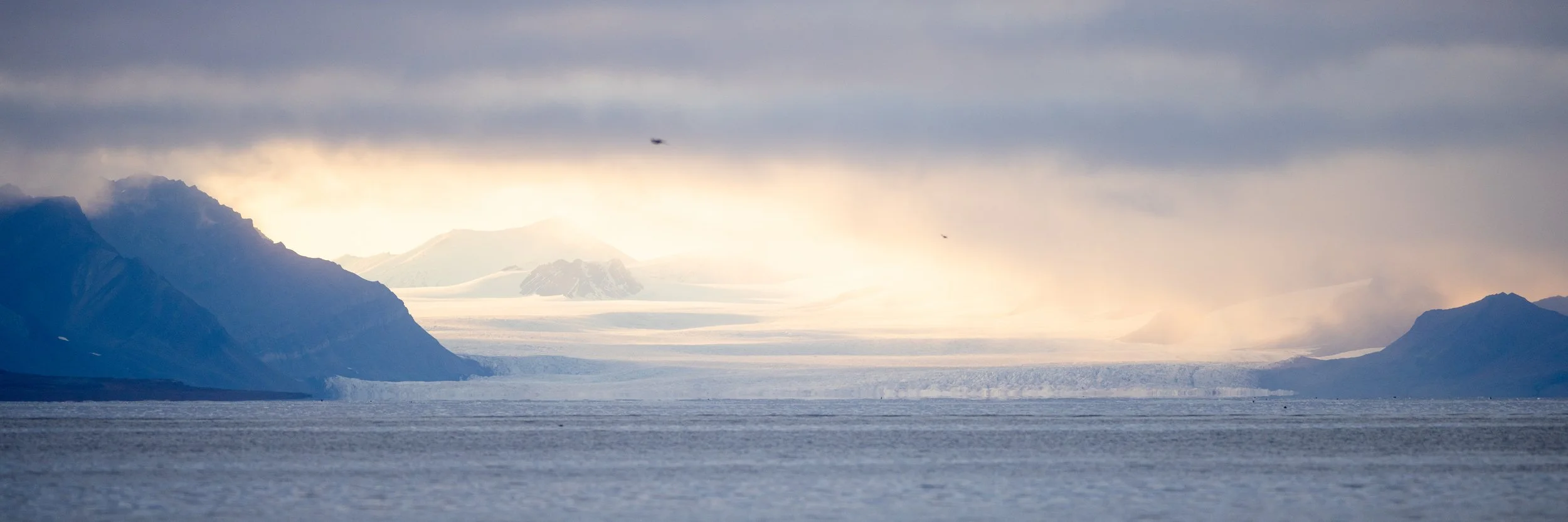
"The Other Side."
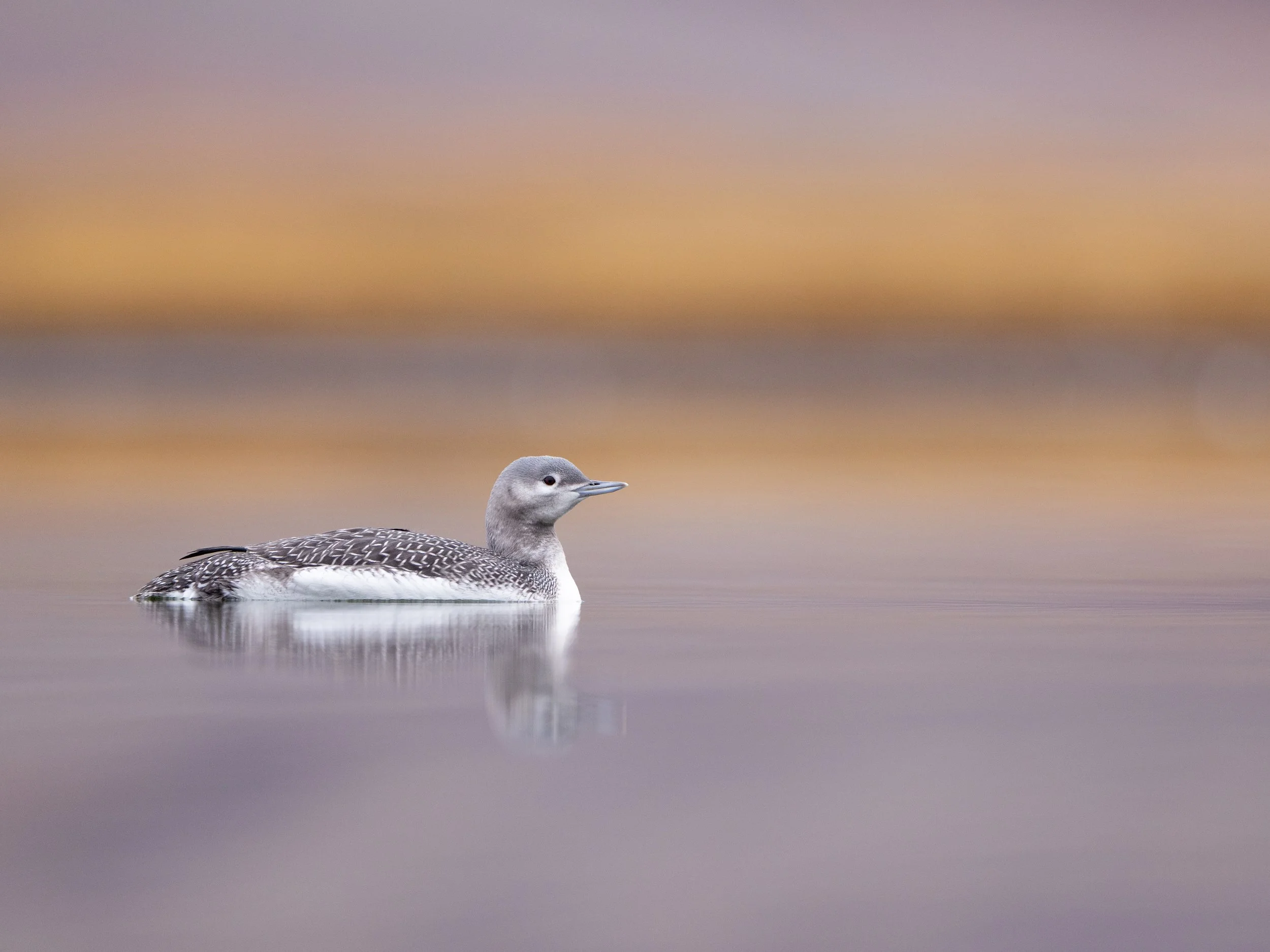
"The Diver." Red-throated divers are the smallest species of loon and spend their summers in the Arctic raising their young. Breeding adults are easy to identify during nesting season by their bright red throat patch, which is replaced by drab plumage in the winter months. Juveniles, too, lack the red throat patch. Though loons are elegant in water, their name is believed to derive from the Old Norse "lómr," referring to their clumsiness on land.
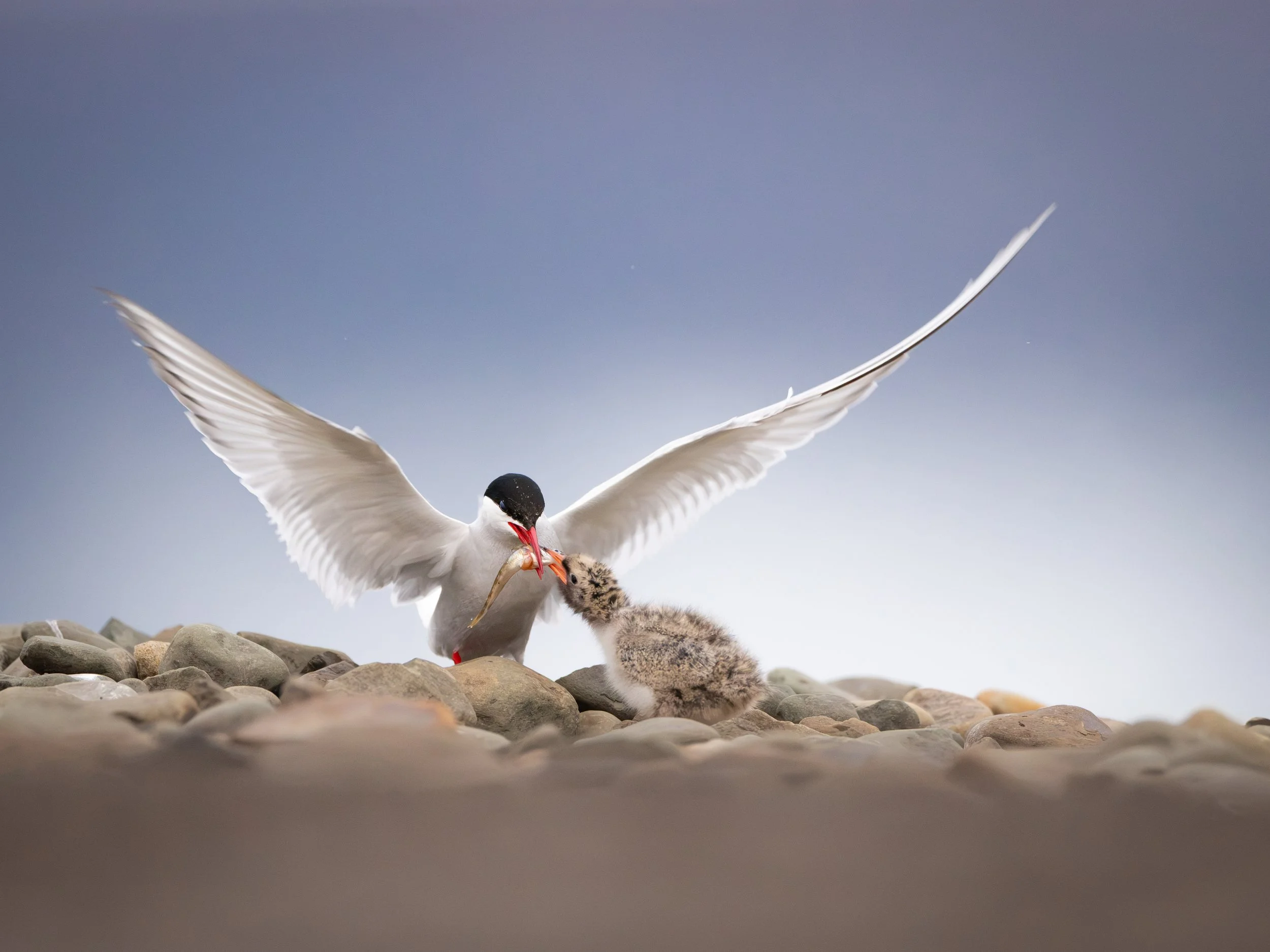
"Arctic tern." Arctic terns are world travelers and migrate from the Arctic summer to the Antarctic summer and back. This trip accrues an average of 44,000 miles of flying. They live 15 to 30 years in the wild and are fiercely protective of their young. They fly directly at intruders, including foxes, humans, and even polar bears. They bravely and fearlessly defend their nesting grounds with sharp red beaks ready to attack.
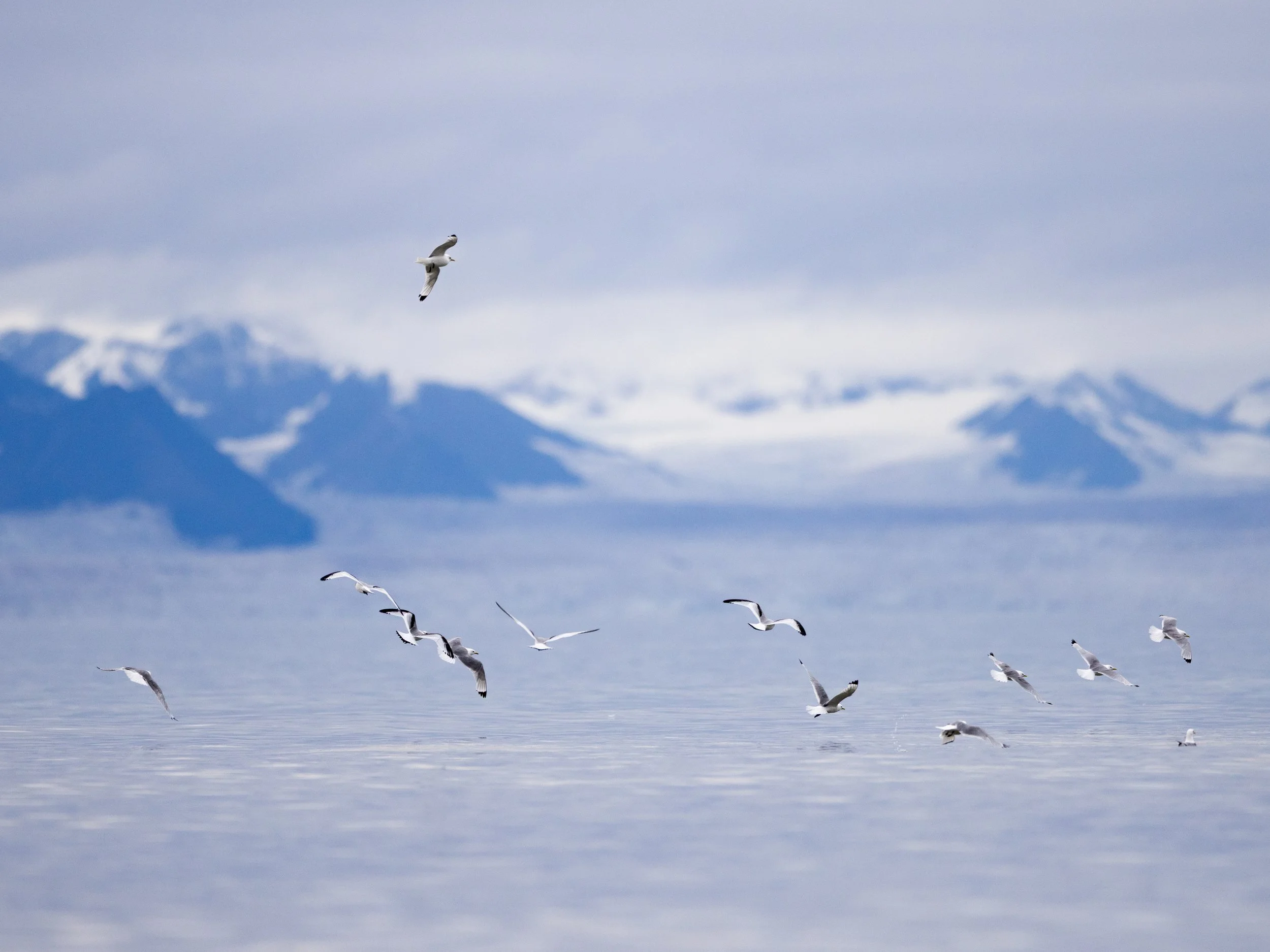
"Black-Legged Kittiwake." The black-legged kittiwake is the most common gull in Svalbard and breeds in the Arctic and boreal zones across the northern hemisphere. They often feed in flocks and are named for their characteristic "kittee-wa-aaake" call. Their population numbers have recently declined, moving them from "least concern" to "vulnerable" status on the International Union for Conservation of Nature's Red List.
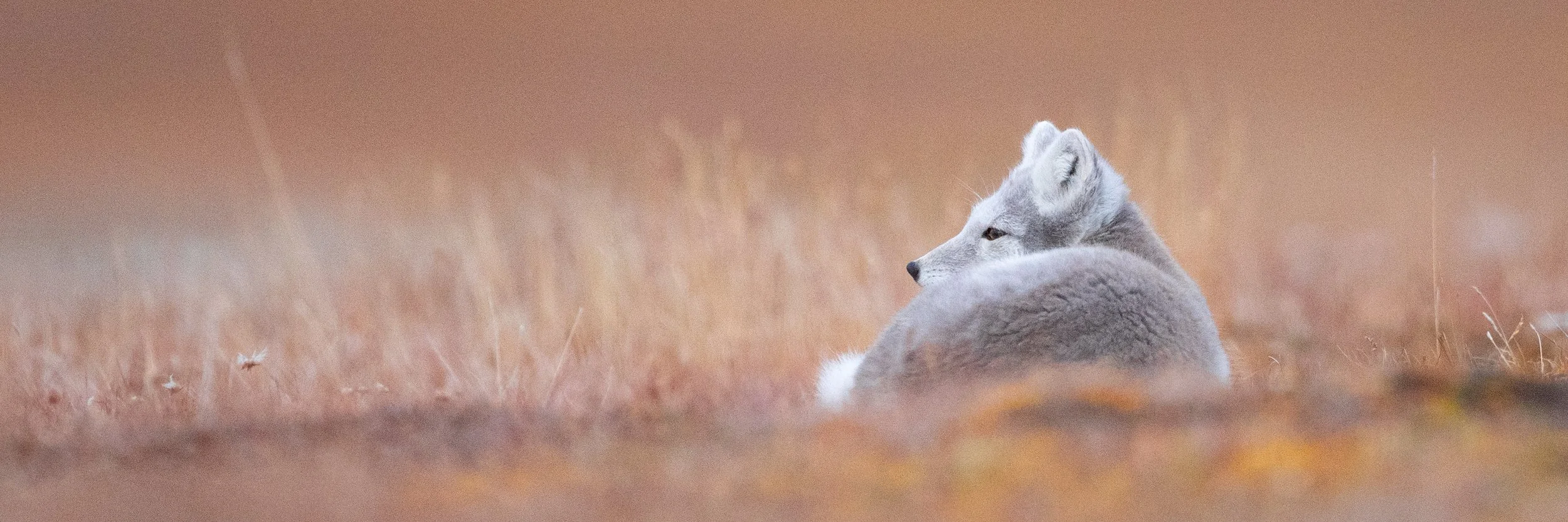
"Rest." Arctic foxes are small foxes known for their soft fur that shines white in the winter and brown, grey, or black in the summer. Arctic foxes seem to be always on the move in search of a good meal, pausing only briefly to nap on the tundra. In 2018, a young fox was tracked from Svalbard across the polar ice to Greenland and finally to northern Canada. This journey spanned 2,179 miles in 76 days.
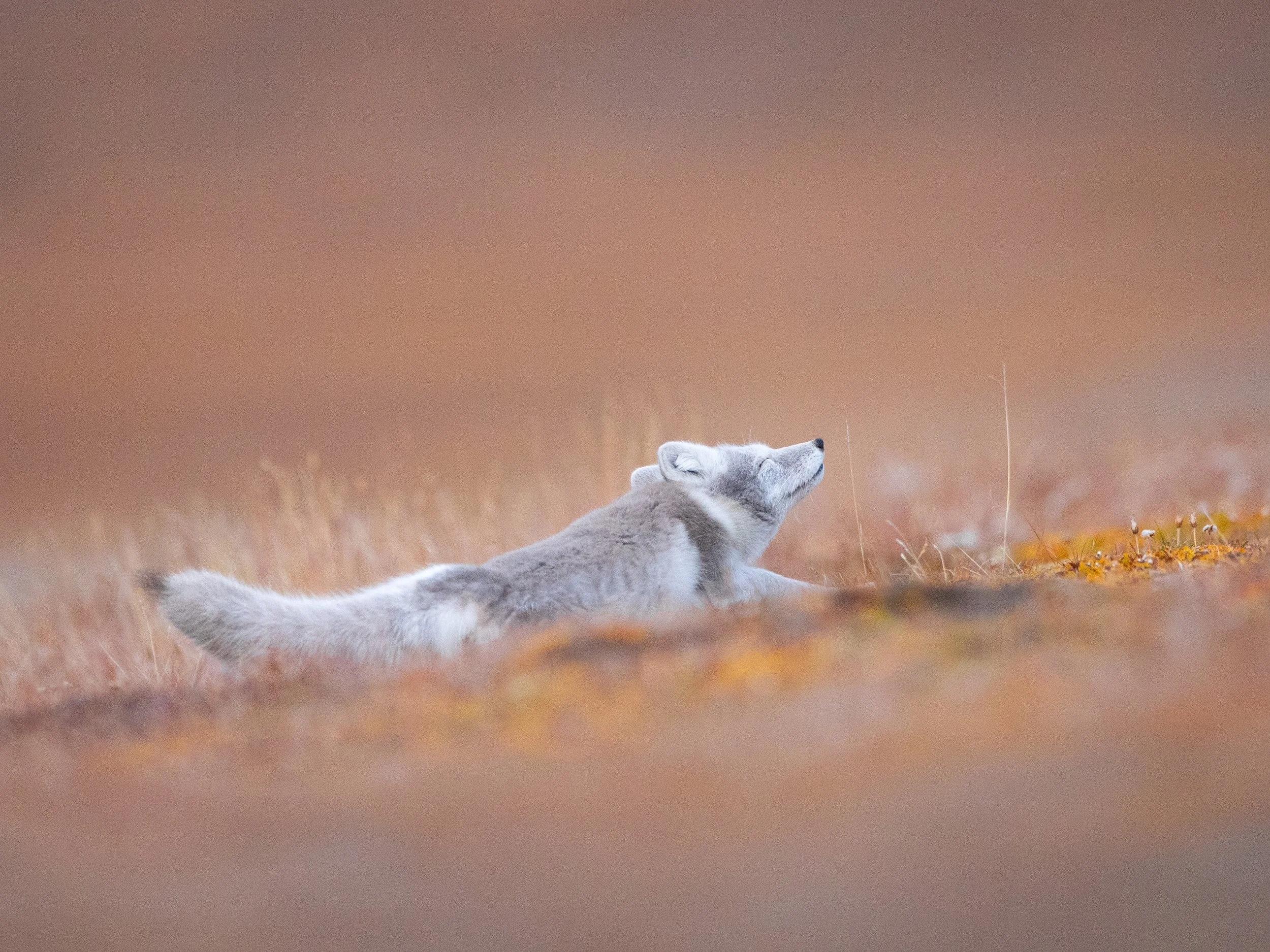
"Little Fox, Big Stretch."
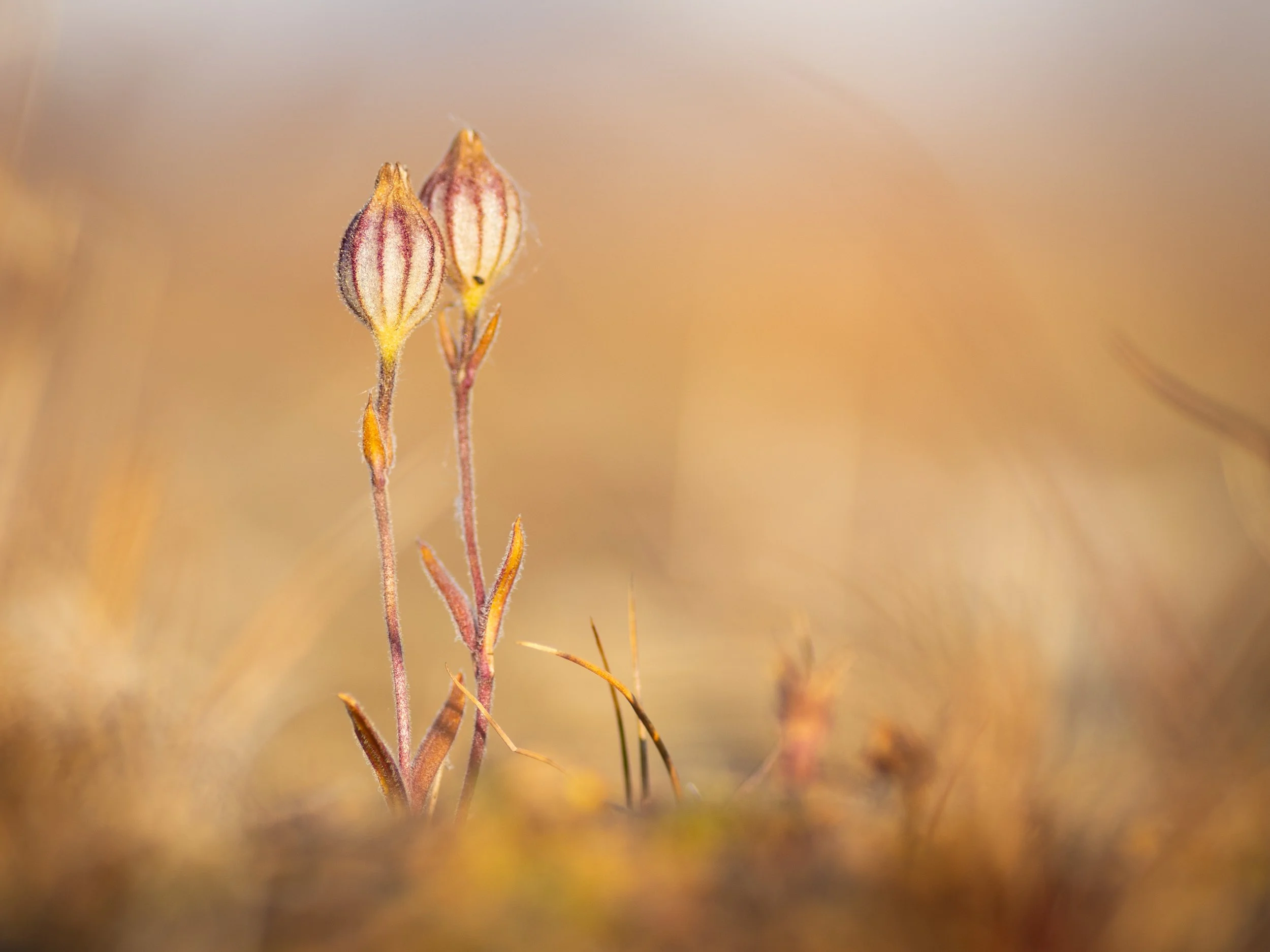
"Nodding Lychnis." There are only a few species of flora that can survive the rugged terrain and bitter cold of the Arctic. Among them is the nodding lychnis (Silene uralensis), a small flower found in the rocky tundra. It belongs to the family Caryophyllaceae, commonly called the carnation family.
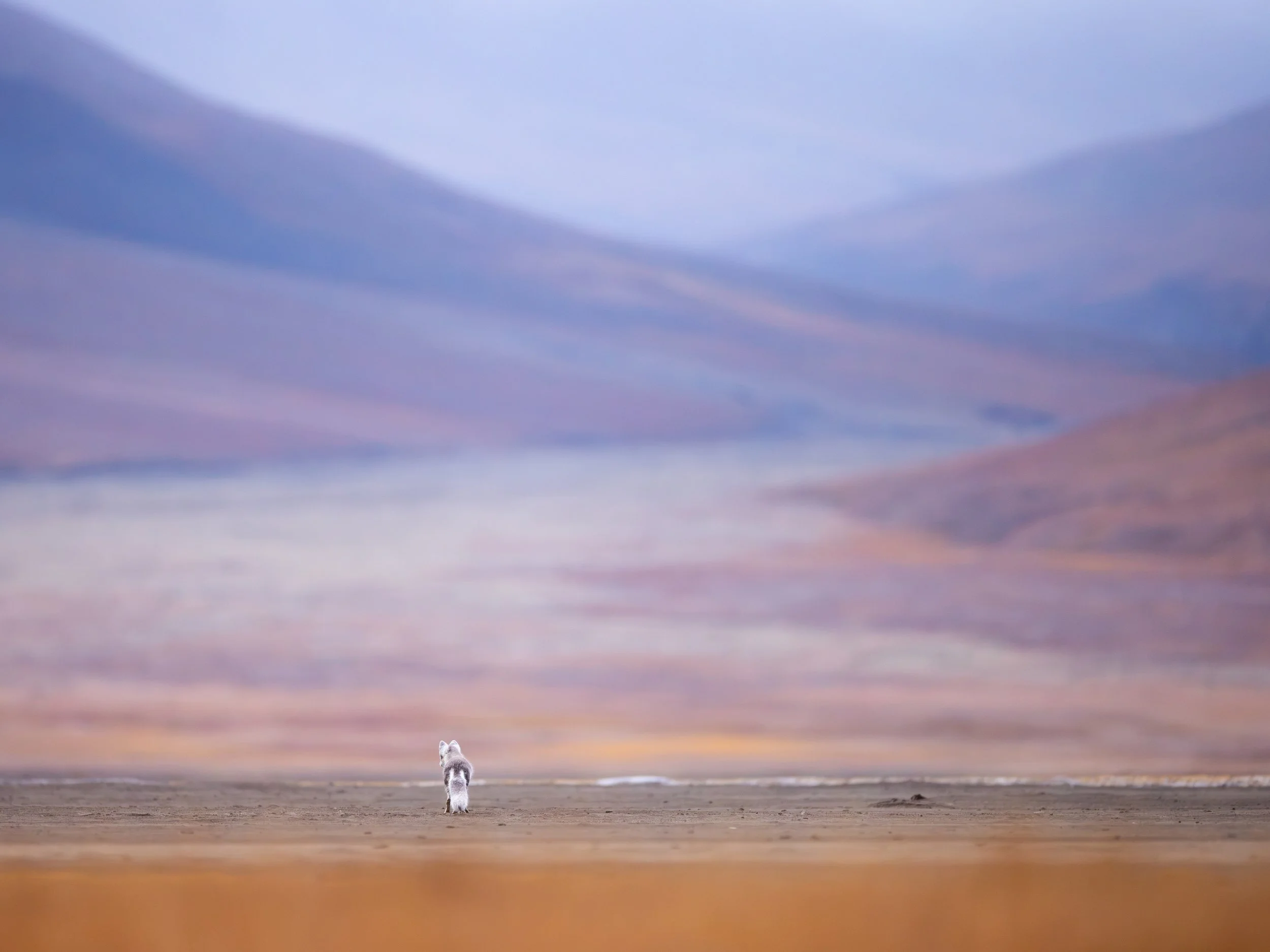
"The Painting."
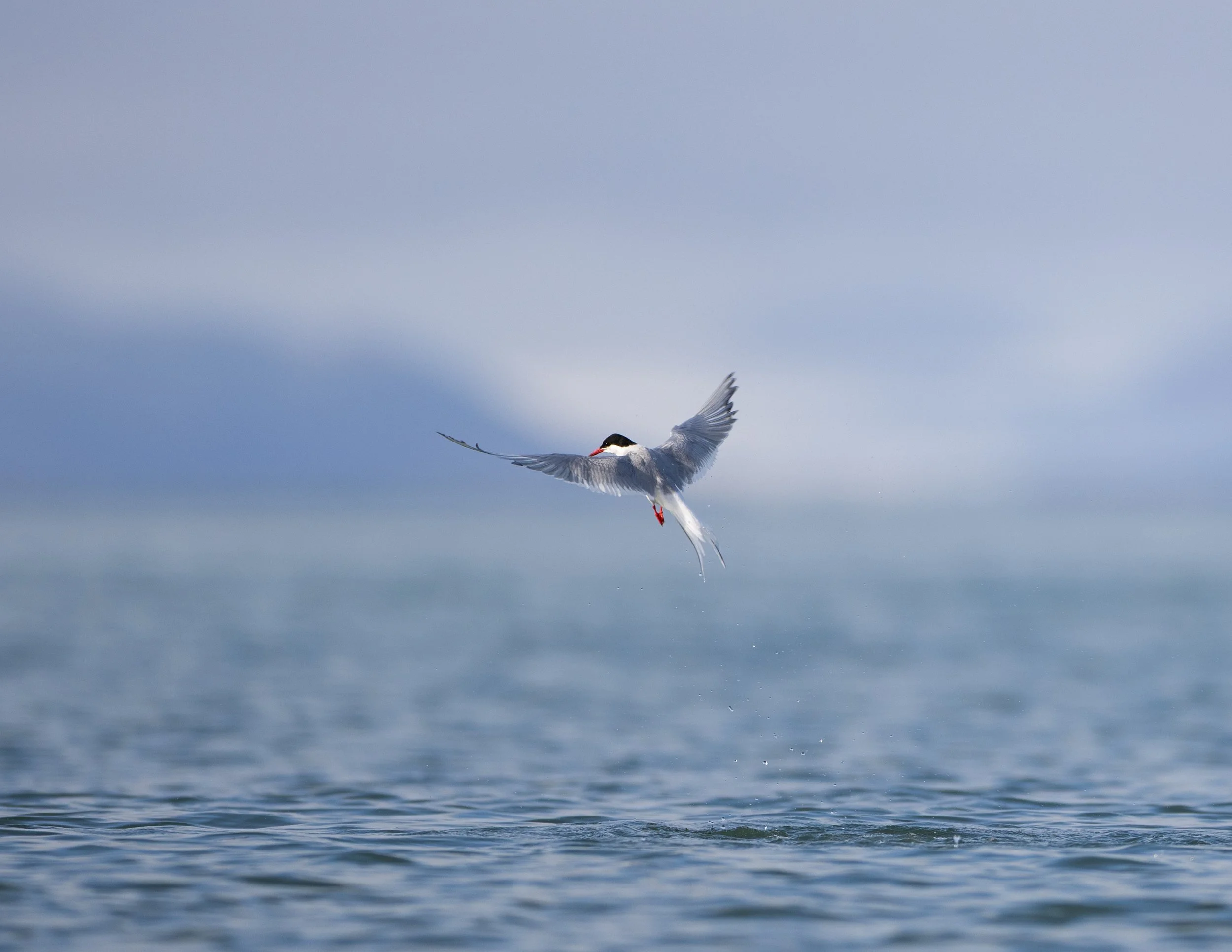
"Hope."
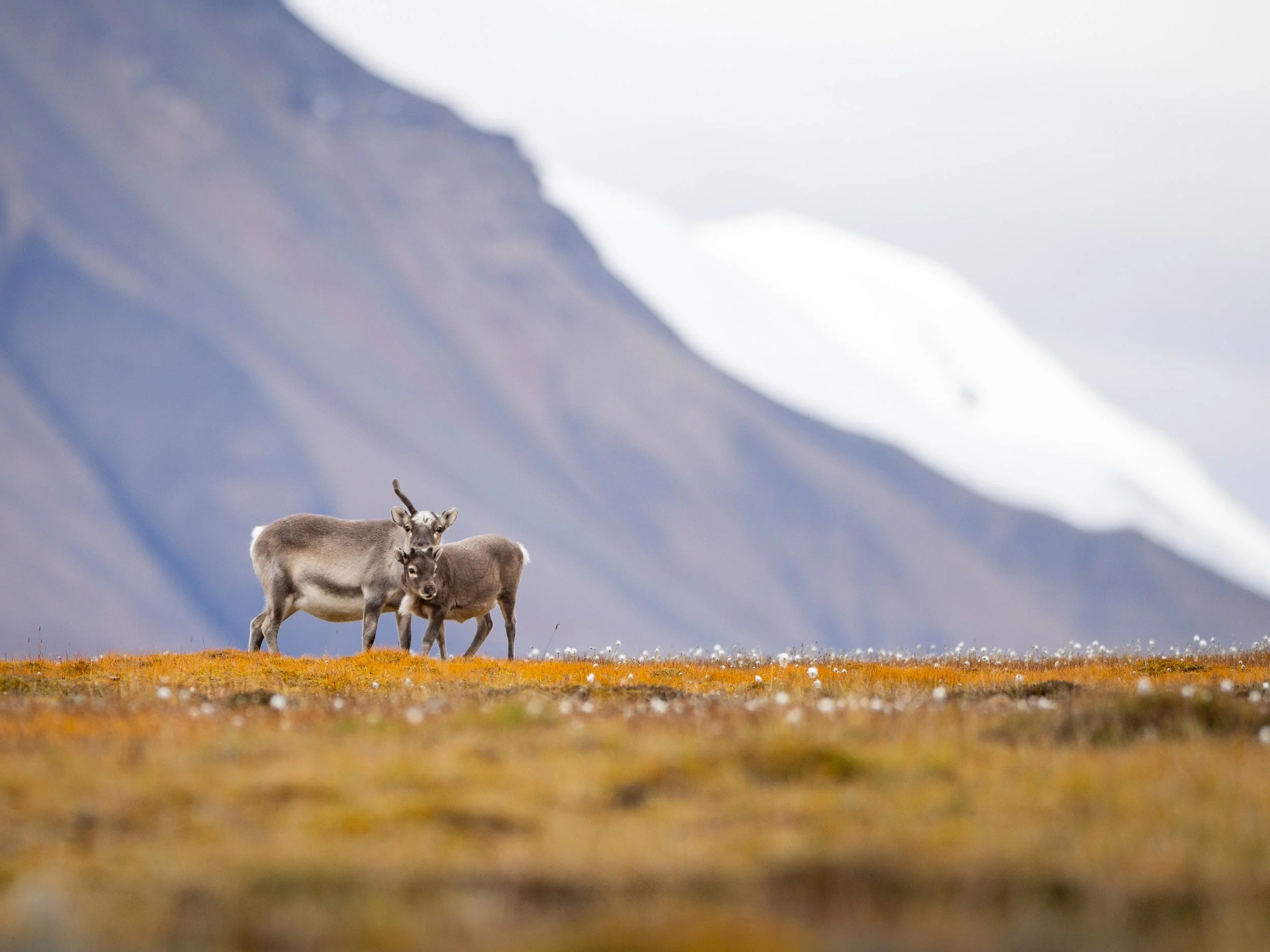
"Summer with Mom." Reindeer calves are born in June and spend their first summer at their mother's side, navigating Svalbard's steep terrain and grazing on wildflowers and grasses as they are weaned. Reindeer must eat large quantities during the summer months to survive the harsh winter. Because the arctic summers are without night, which blurs the natural circadian rhythm, reindeer conserve time for foraging by getting restorative rest during rumination, a cud chewing activity that has been shown to resemble sleep.
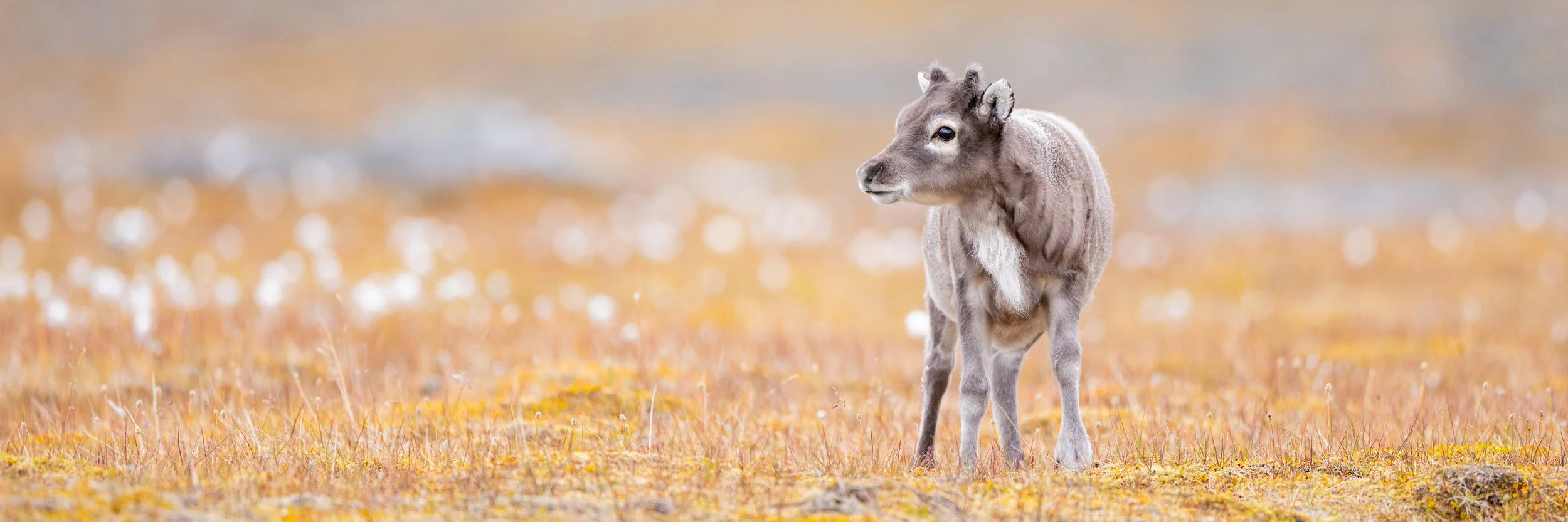
"Baby."
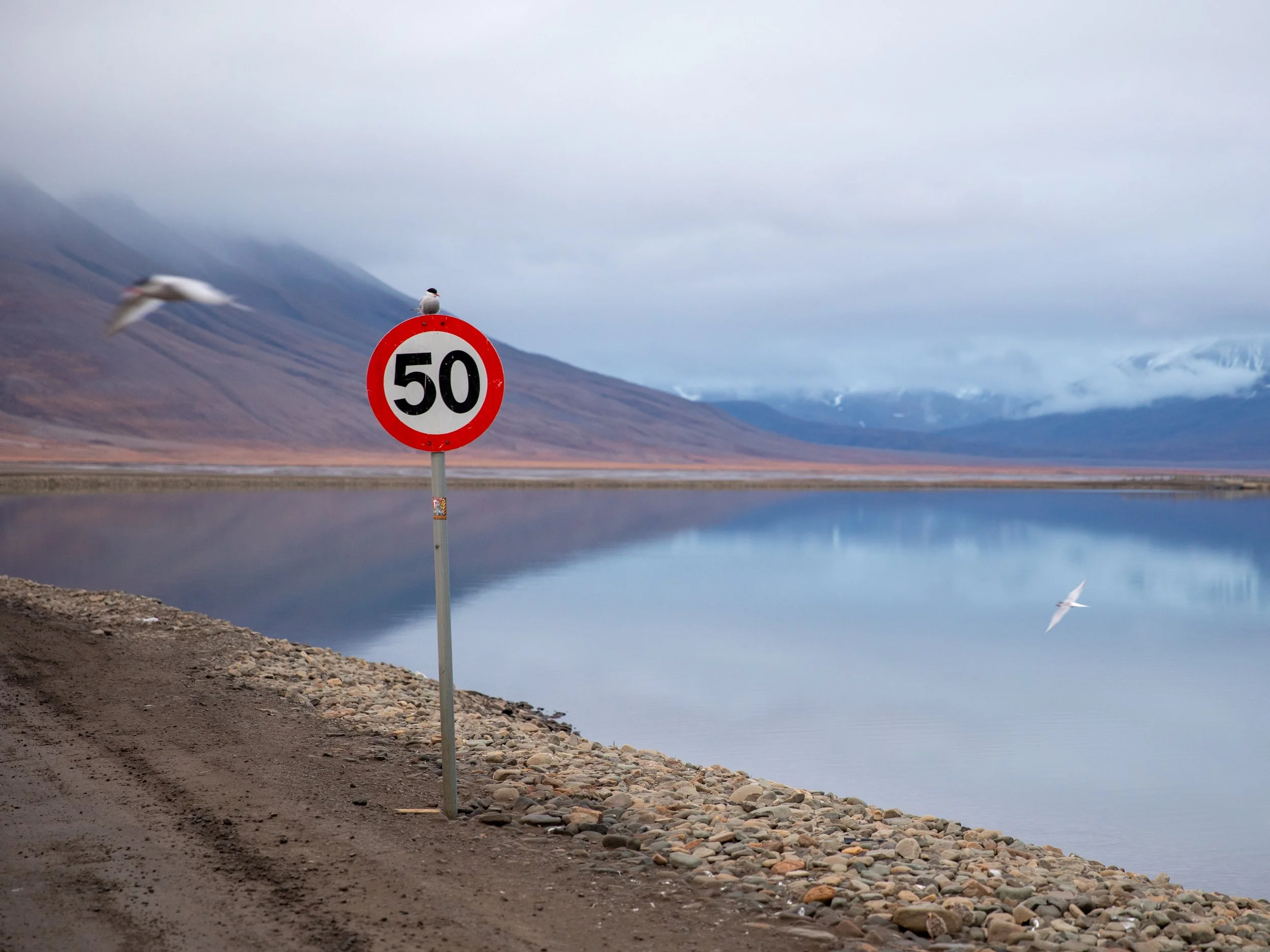
"Do you know how fast you were going?"