Galapagos Islands
The Galapagos Islands are the dream destination for photographers and scientists alike. We can imagine what the early explorers must have thought of this strange collection of volcanic rocks and unique species. Here, giant tortoises roam and iguanas of every color are found. The birds, who only know of humans as tourists, display a childlike curiosity toward the camera bearing intruders on their habitat.
“The natural history of this archipelago is very remarkable: it seems to be a little world within itself.” - Charles Darwin
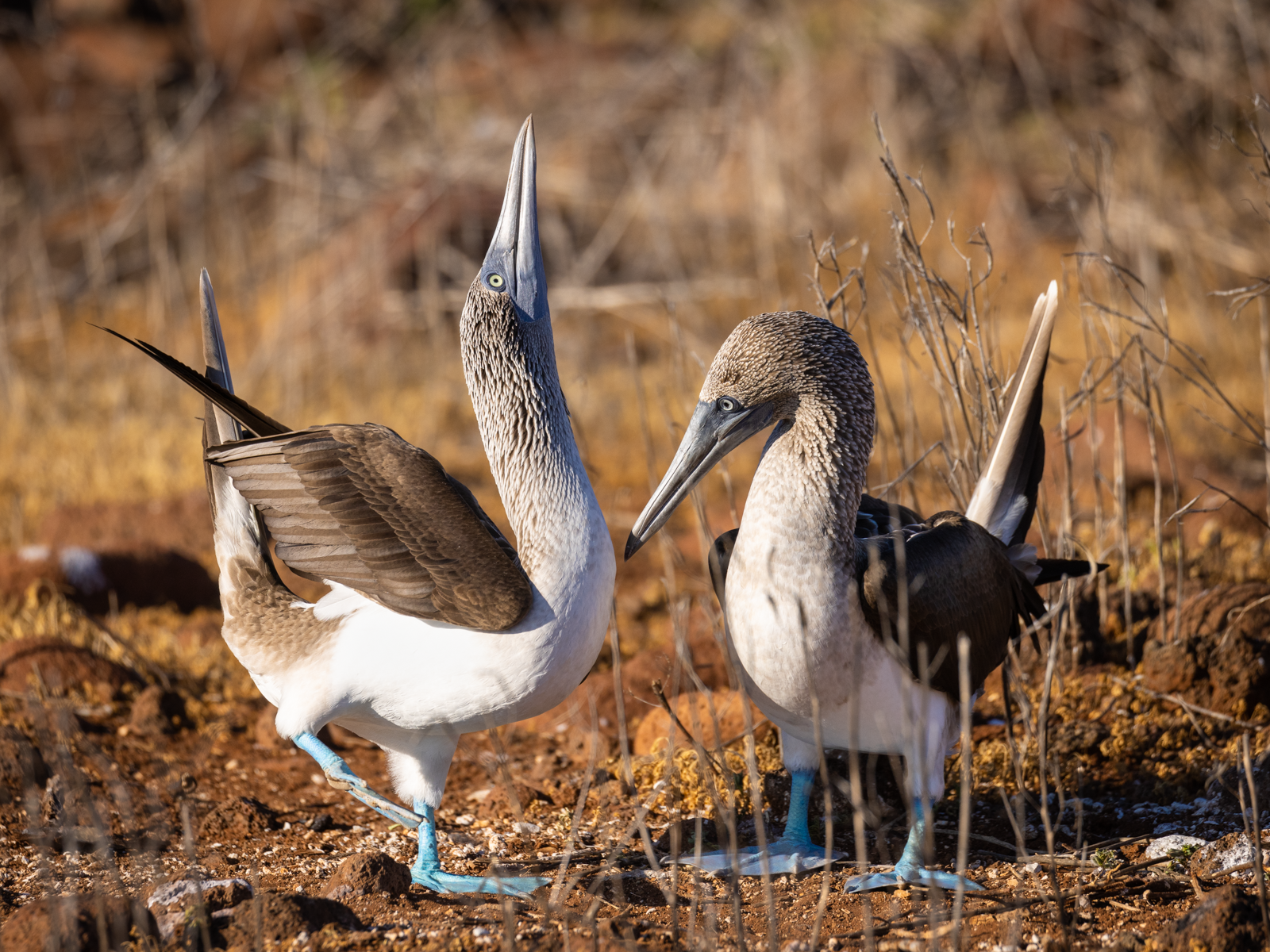
"Be mine." Blue footed boobies show off to their prospective mates by lifting their blue feet one at a time, extending their wings, and raising heads to let out a characteristic whistle.
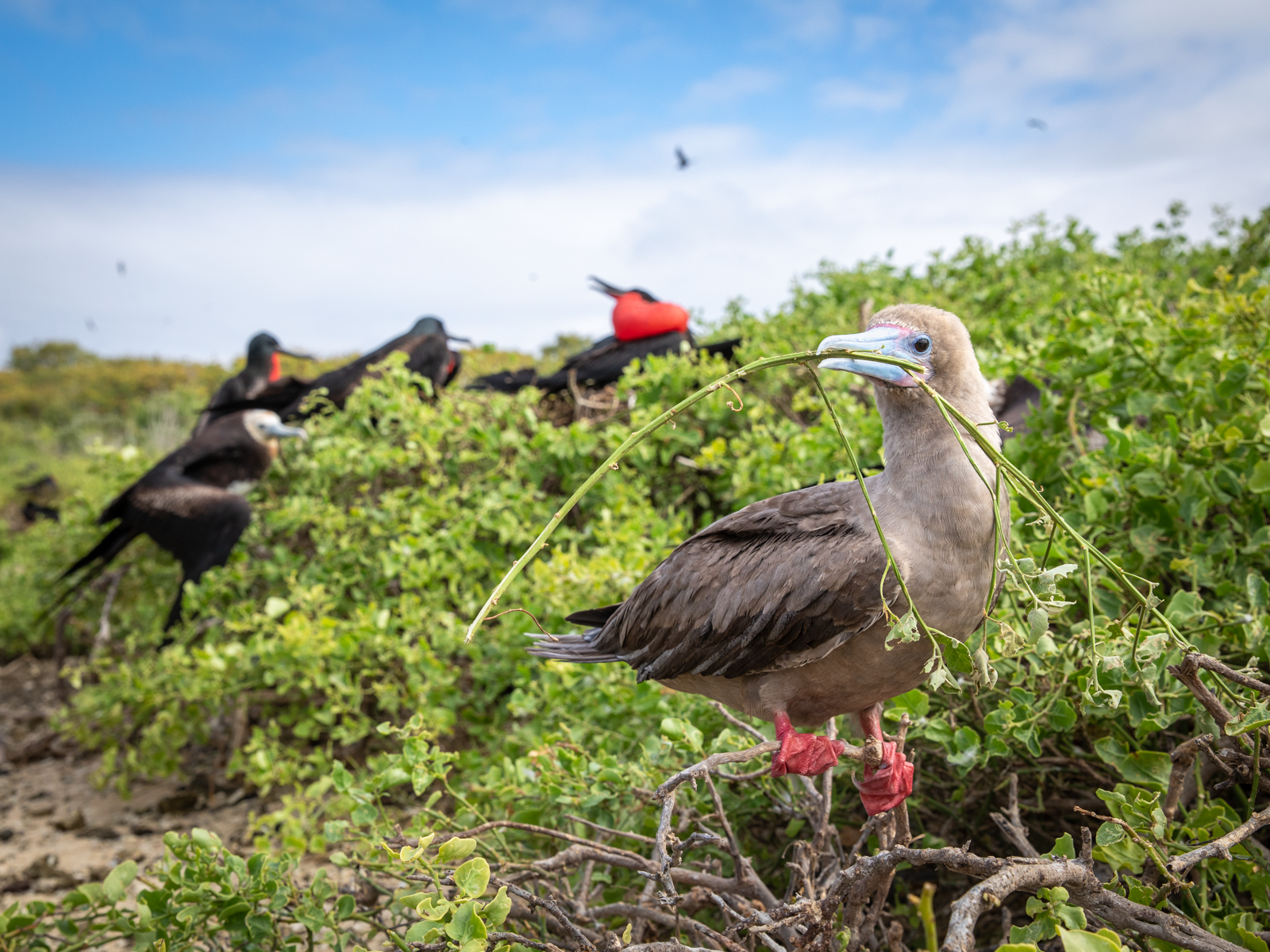
"Take my stick." While the frigate birds argued and fought in distance, this curious red footed boobie flew directly in front of me, posing with a freshly harvested stick. The bird looked at me and my camera with curiosity, continuing to push the stick forward towards me as if offering to help me build myself a nest.
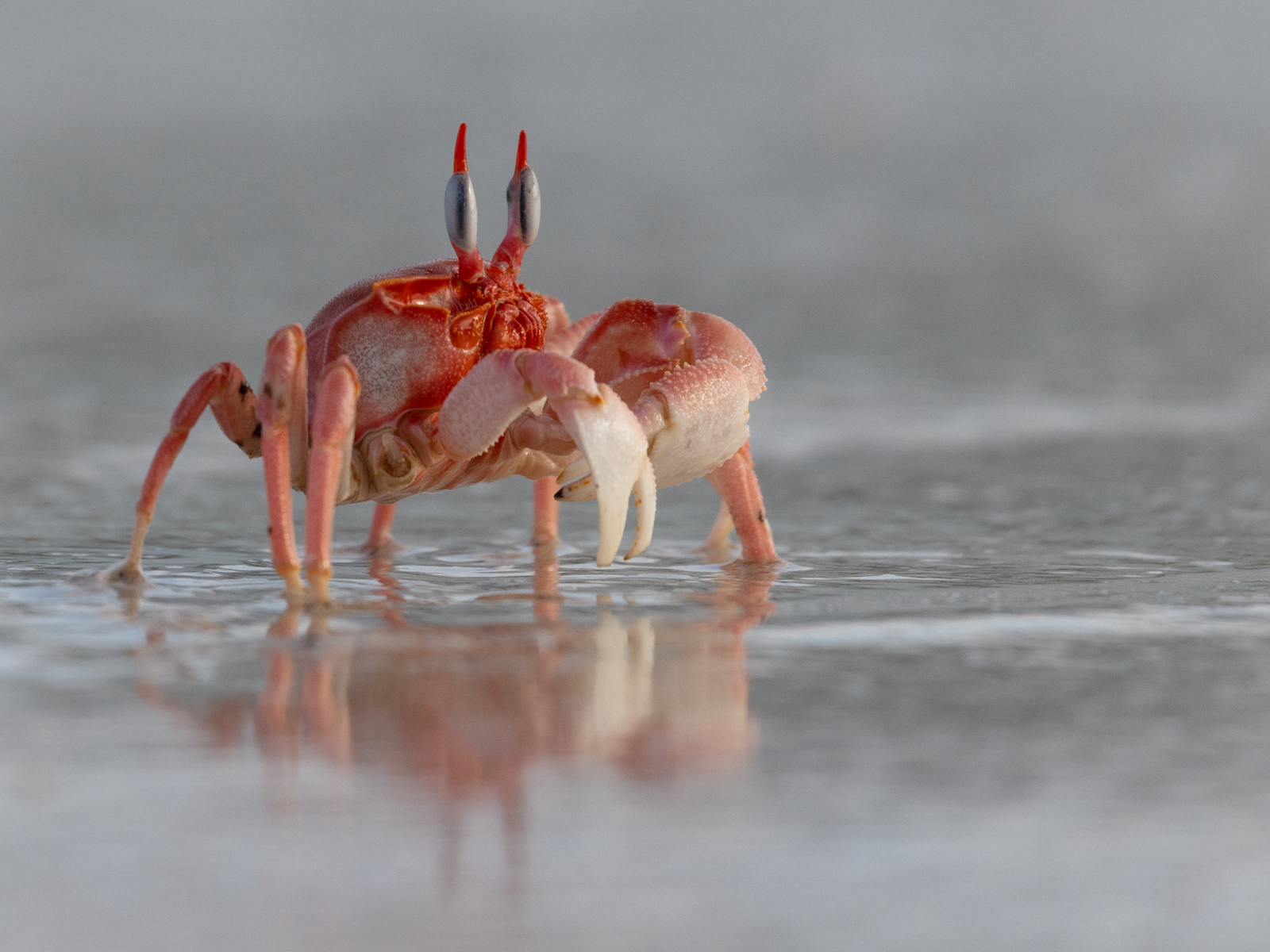
"Ghost." There is something so captivating about the ghost crab. They quickly hide in delicate burrows in the sand when predators (and cameras) approach leaving the observer questioning whether they were ever there at all. Their unique eyestalks provide them an incredible 360 degrees of vision to observe their surroundings.
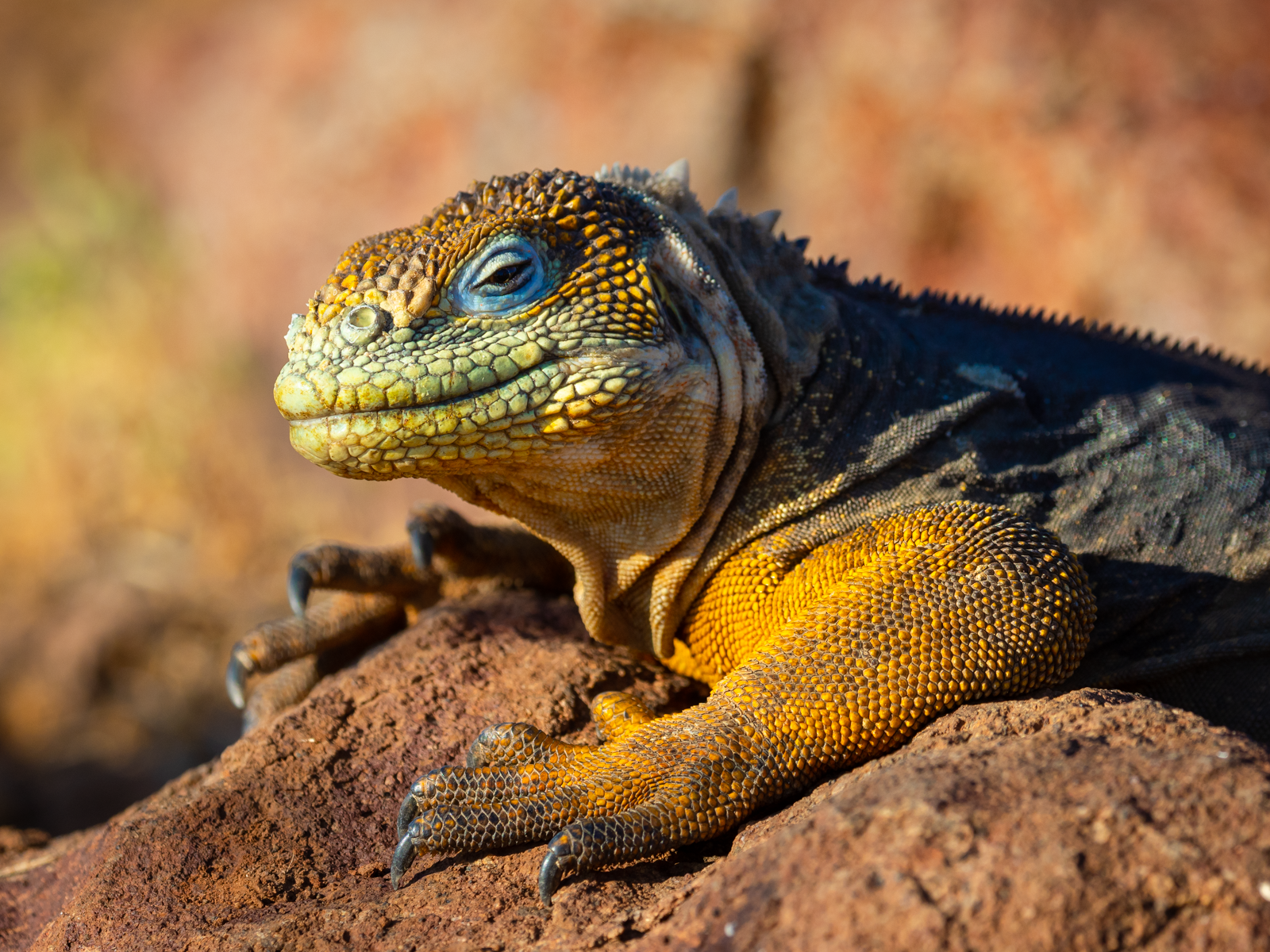
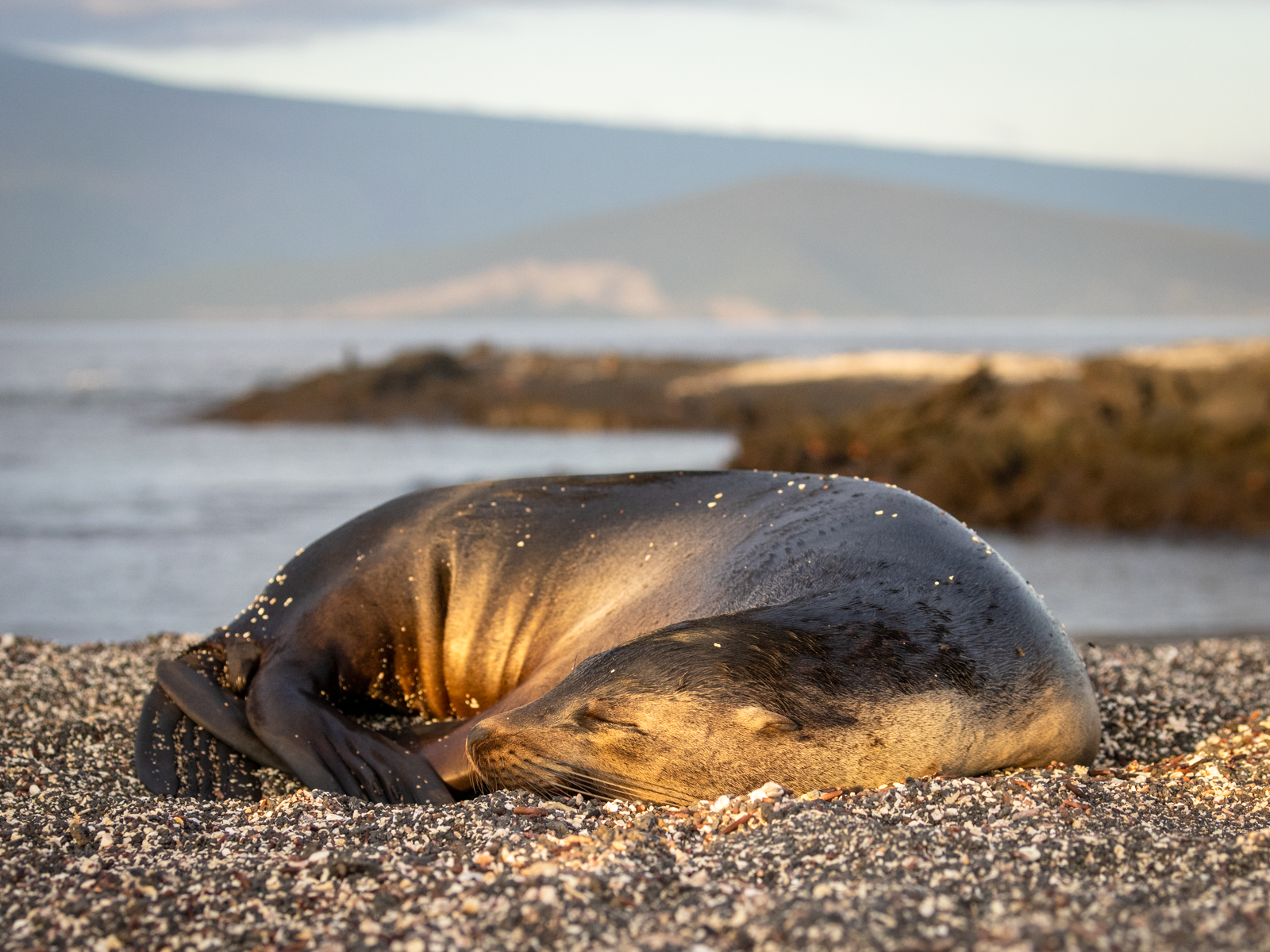
"Puppy." The Galapagos sea lion can be seen lounging on every beach and landing. Their evolutionary relationship to dogs is apparent in their inquisitive nature and playful curiosity. They readily approach humans on the beach and in the water. They are the smallest species of sea lion.
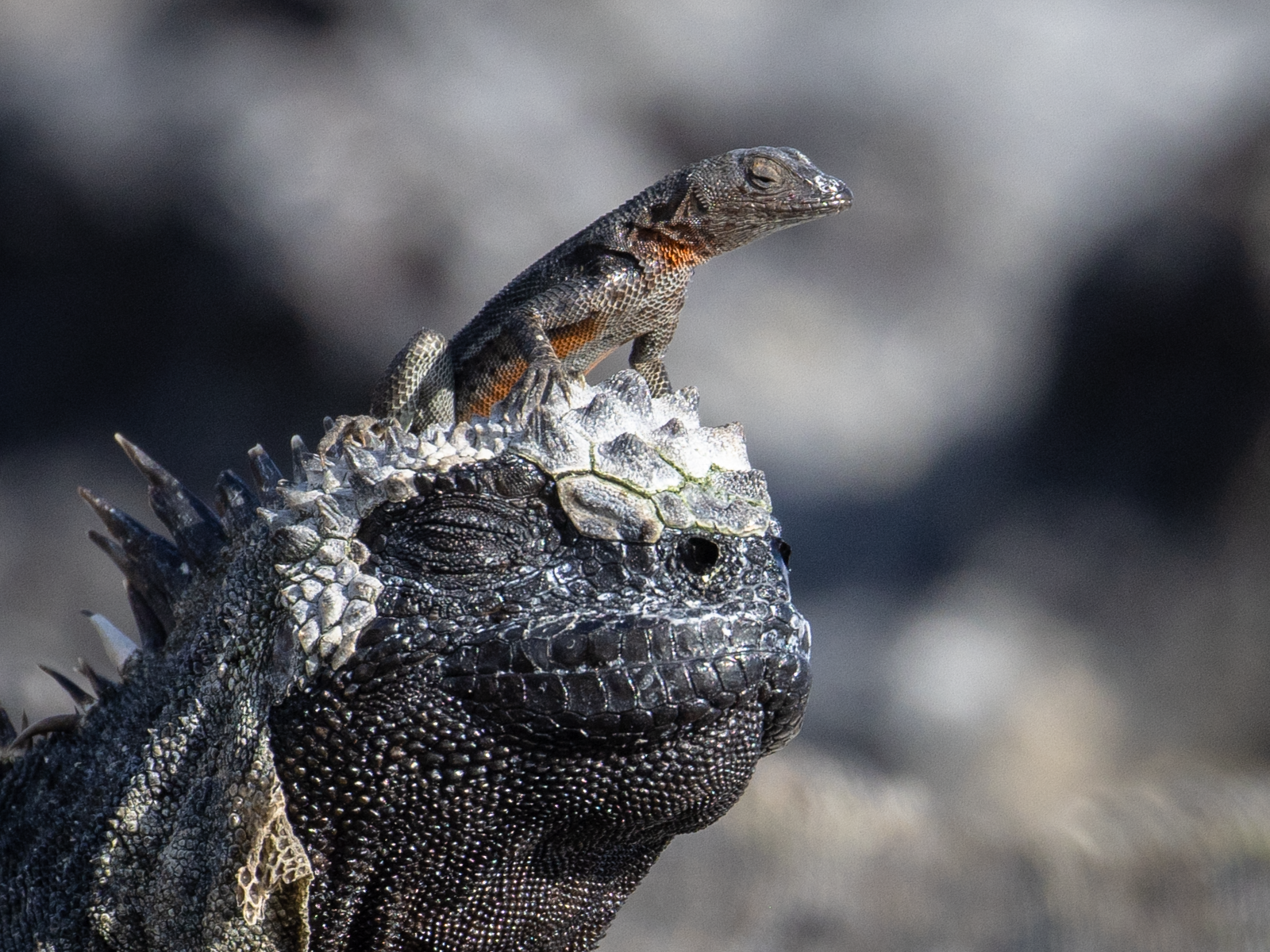
"Lizard Hat." The lava lizard can be viewed here perched not on lava, but on a marine iguana. It's easy to see how it could be confused - the marine iguanas bask as still as fossils in the hot sun in between cool dips in the ocean.
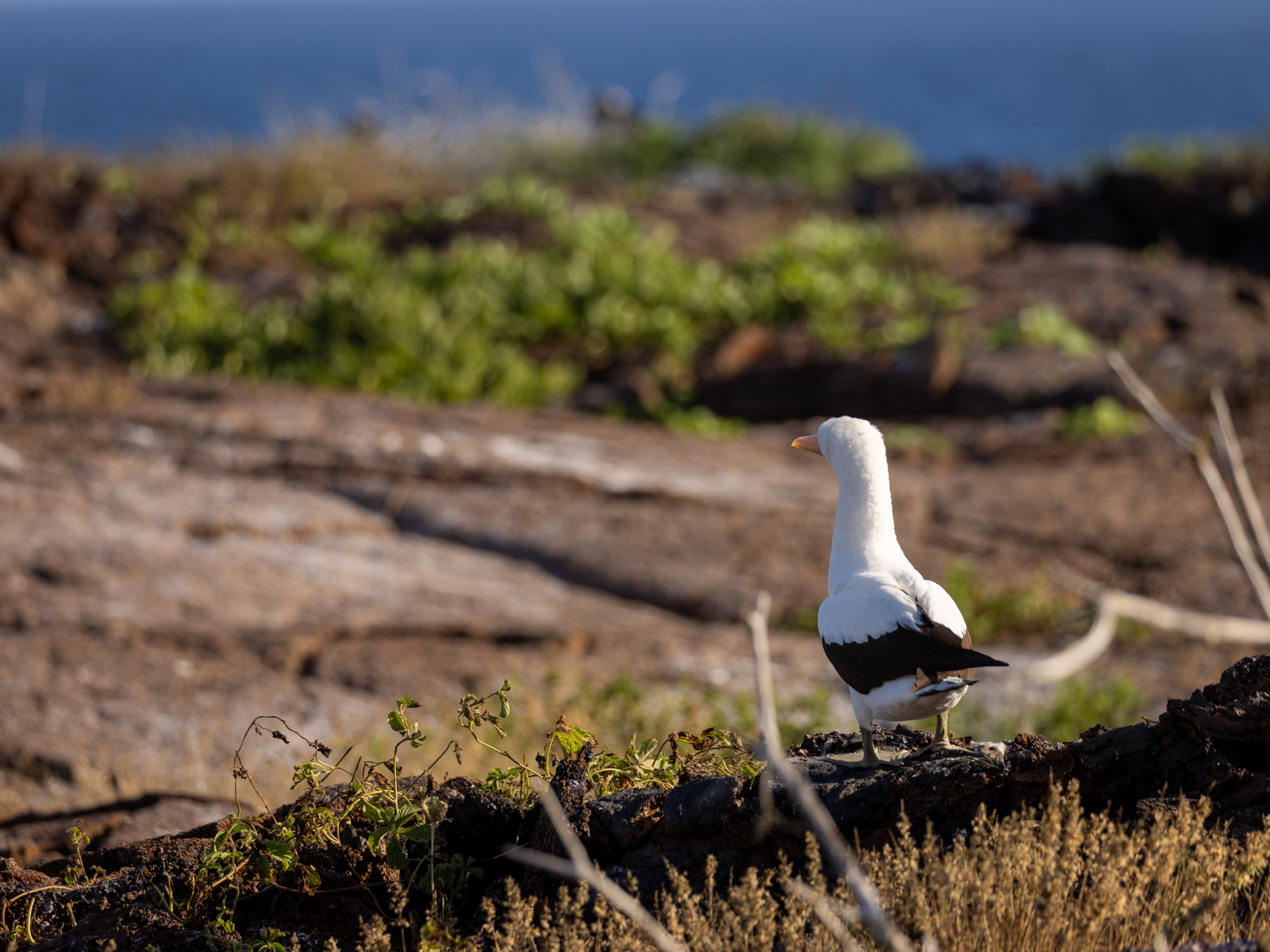
"This Land." The Galapagos islands are home to three species of booby: the blue footed booby, the red footed booby, and the Nazca booby. Nazca boobies do not have brightly colored feet and are the largest species in the booby family. They were thought to be a subspecies of the masked booby but were recognized as a distinct species in 2002.
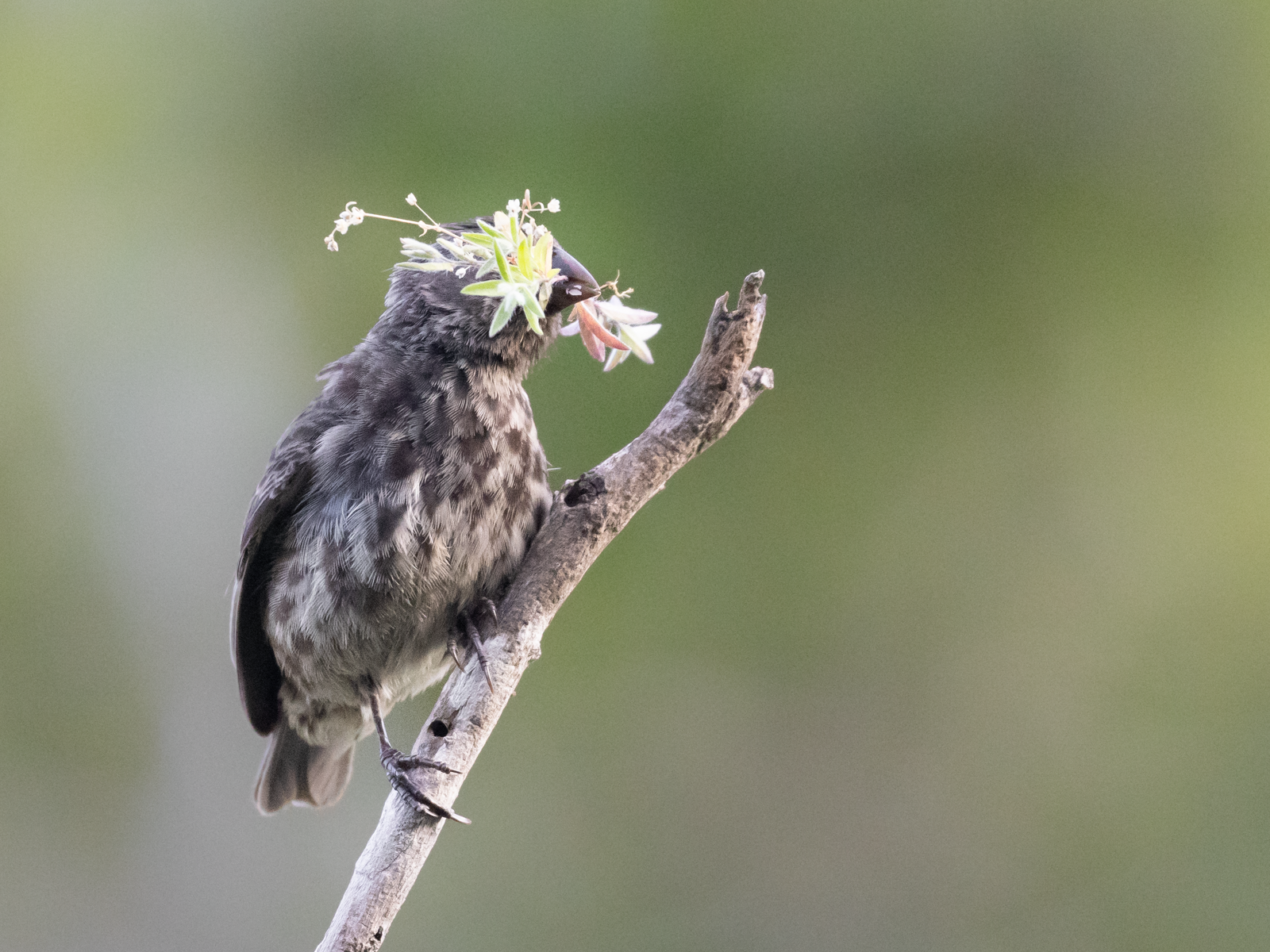
"Flowers." The Galapagos finches captivated Charles Darwin and later became a symbol of evolutionary biology. The different species of finches found in the Galapagos have specific niches, allowing them to thrive in different environments. This small ground finch is pictured carrying flowers to line her nest.
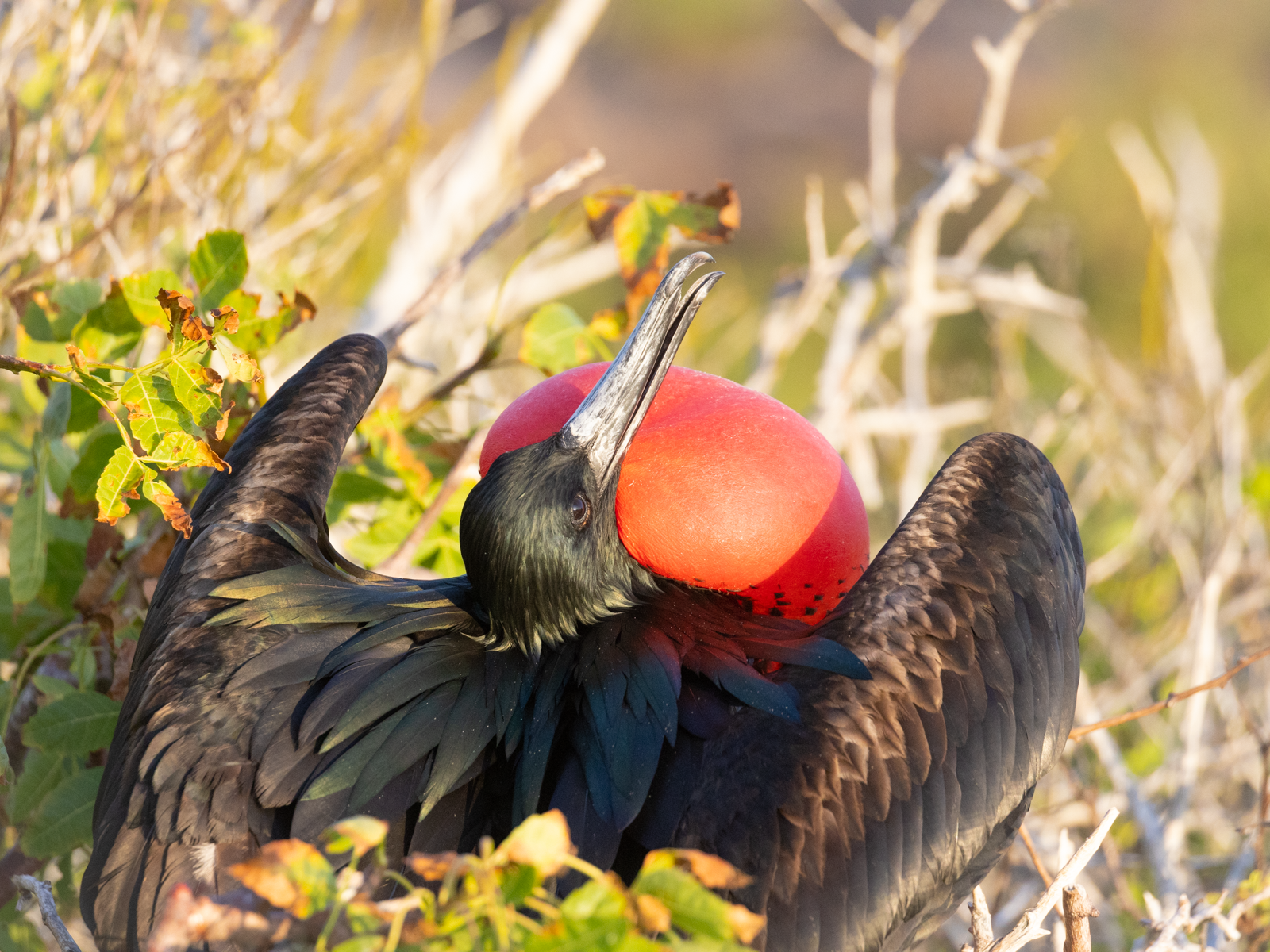
"Great Frigatebird." There are two species of Frigatebird in the Galapagos: the Great Frigatebird and the Magnificent Frigatebird. While the bird pictured here is undoubtably magnificent in his courtship display, he is classified as a Great Frigatebird due to the greenish hue of his shoulders and the pink ring around his eye. Frigatebirds are not the kindest species and regularly steal from other birds, often attacking them mid air to steal fish.
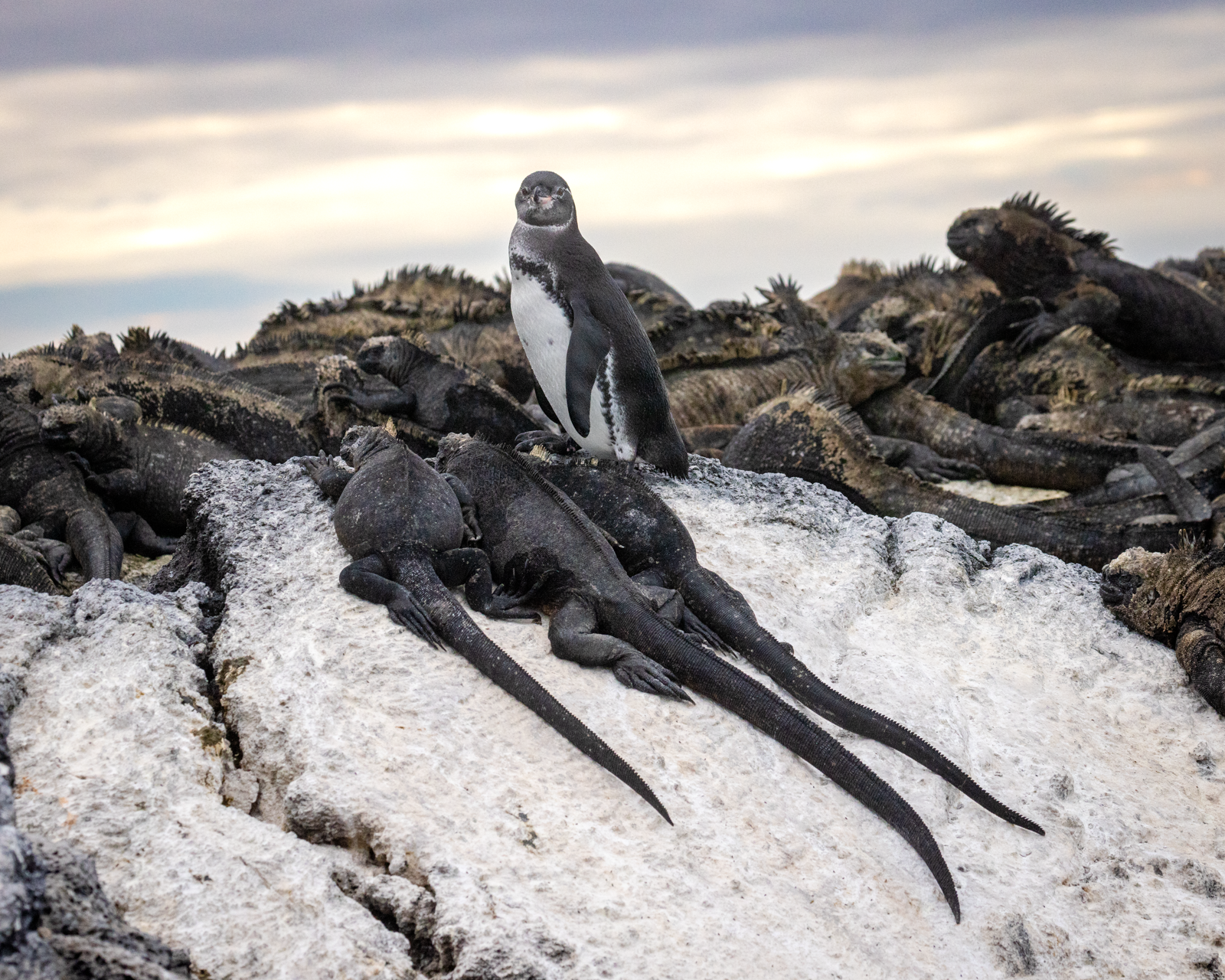
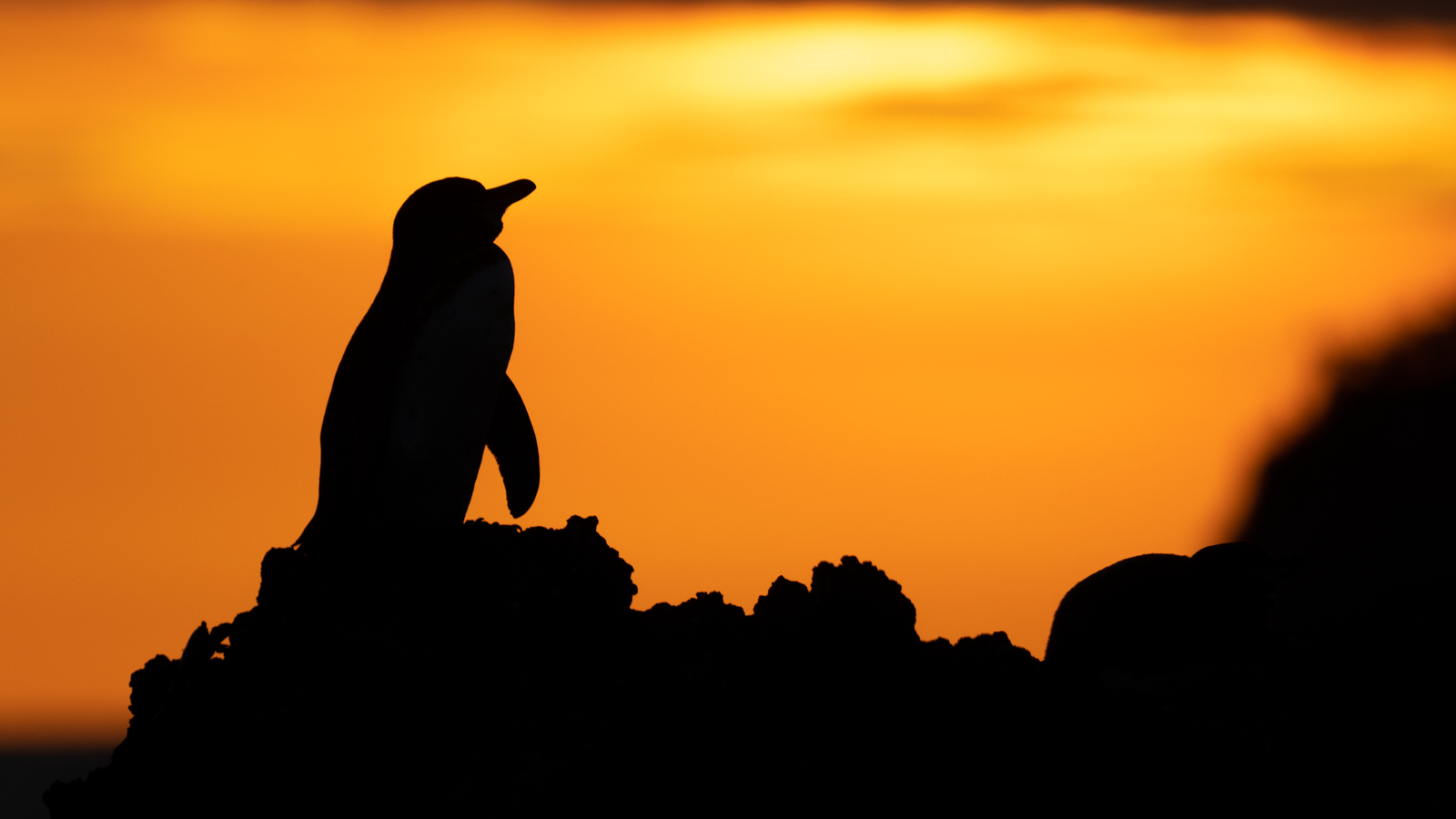
"Dare to be different." The interaction between species in the Galapagos can leave much to the imagination. Here, on a small rock outcrop, is a Galapagos penguin surrounded by marine iguanas.
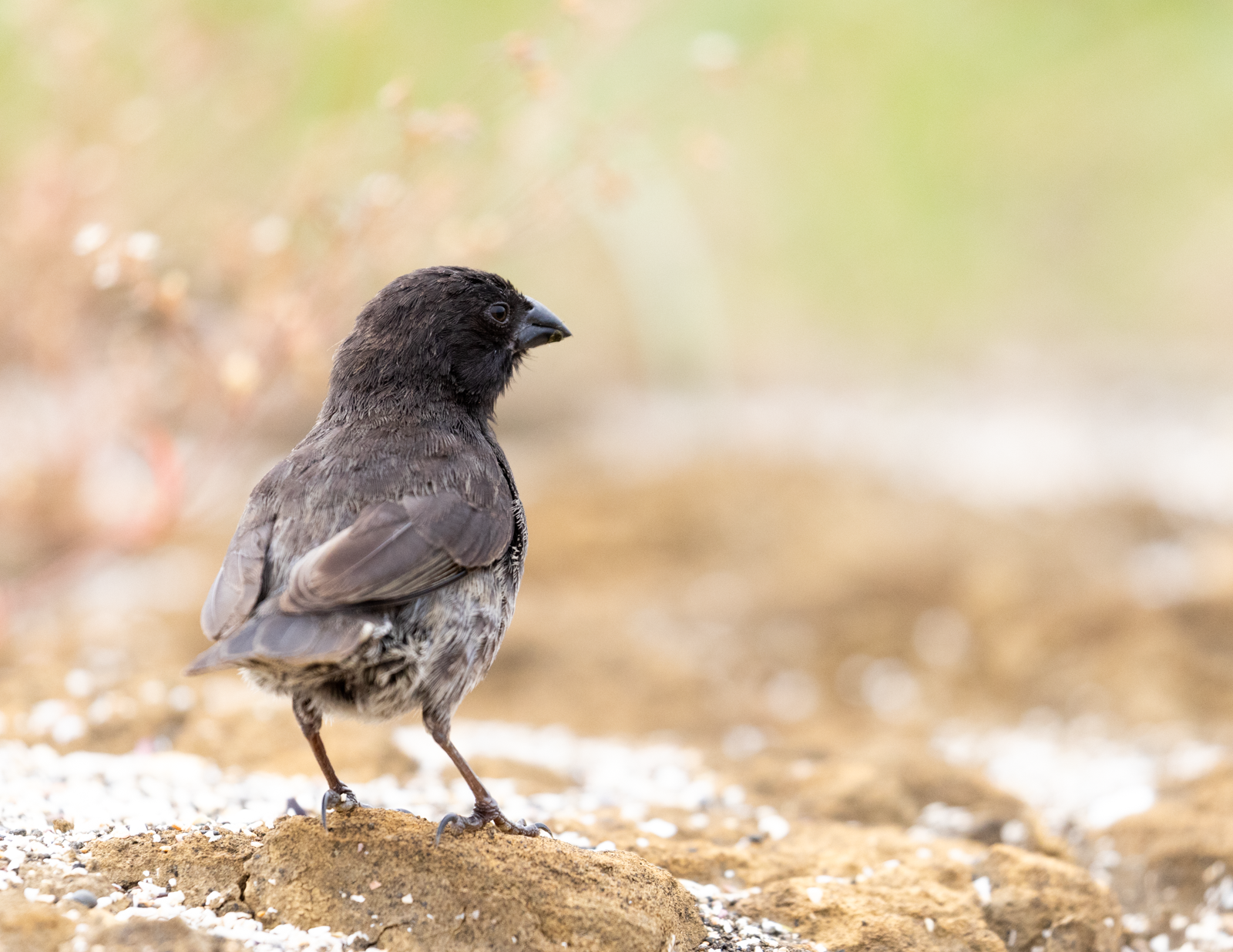
"In the garden." This is one of Darwin's famous finches, an icon for the theory of evolution. Here, this finch looks over the this strange landscape in search of seeds and nesting materials.
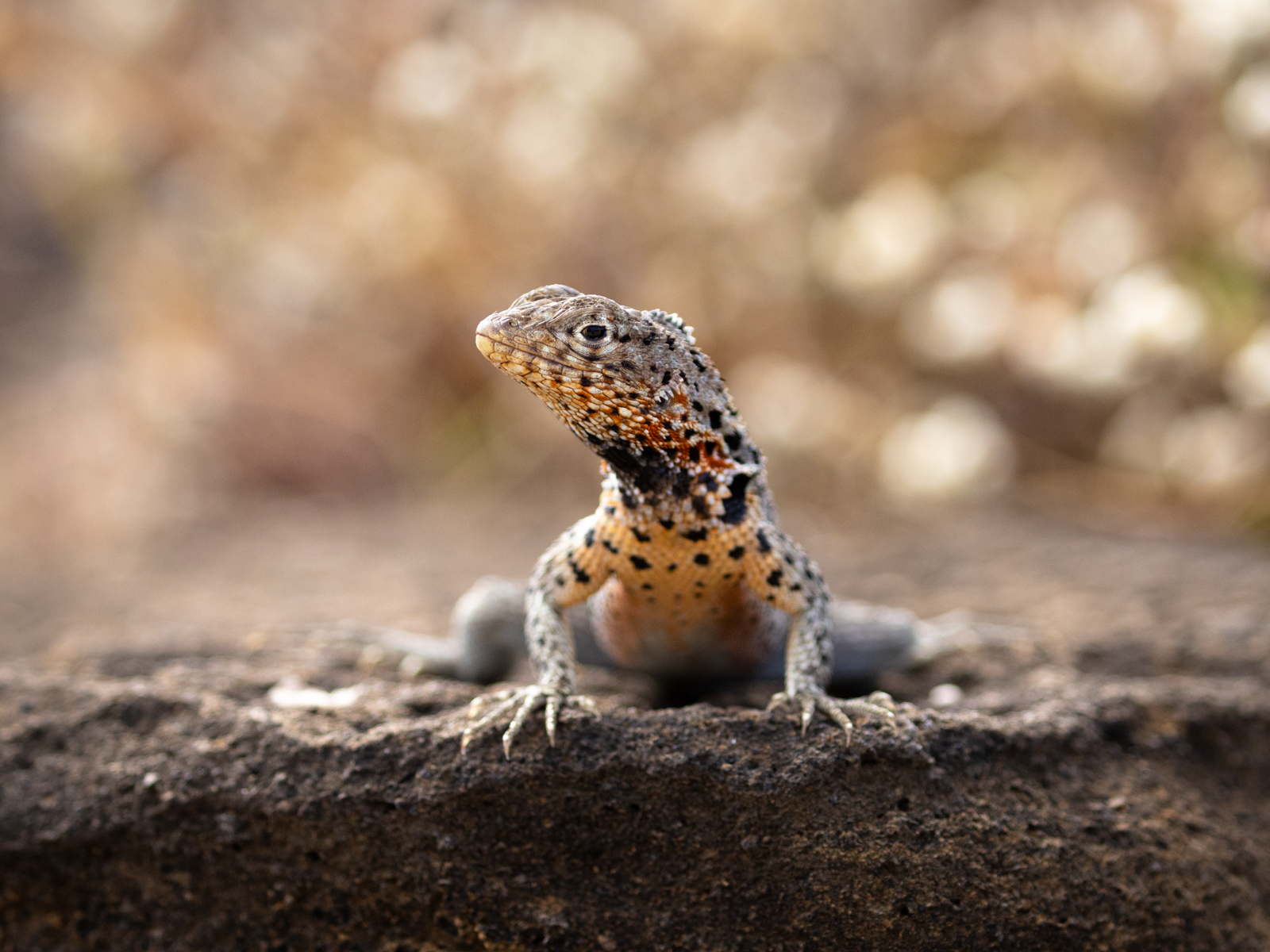
"Lava Lizard."
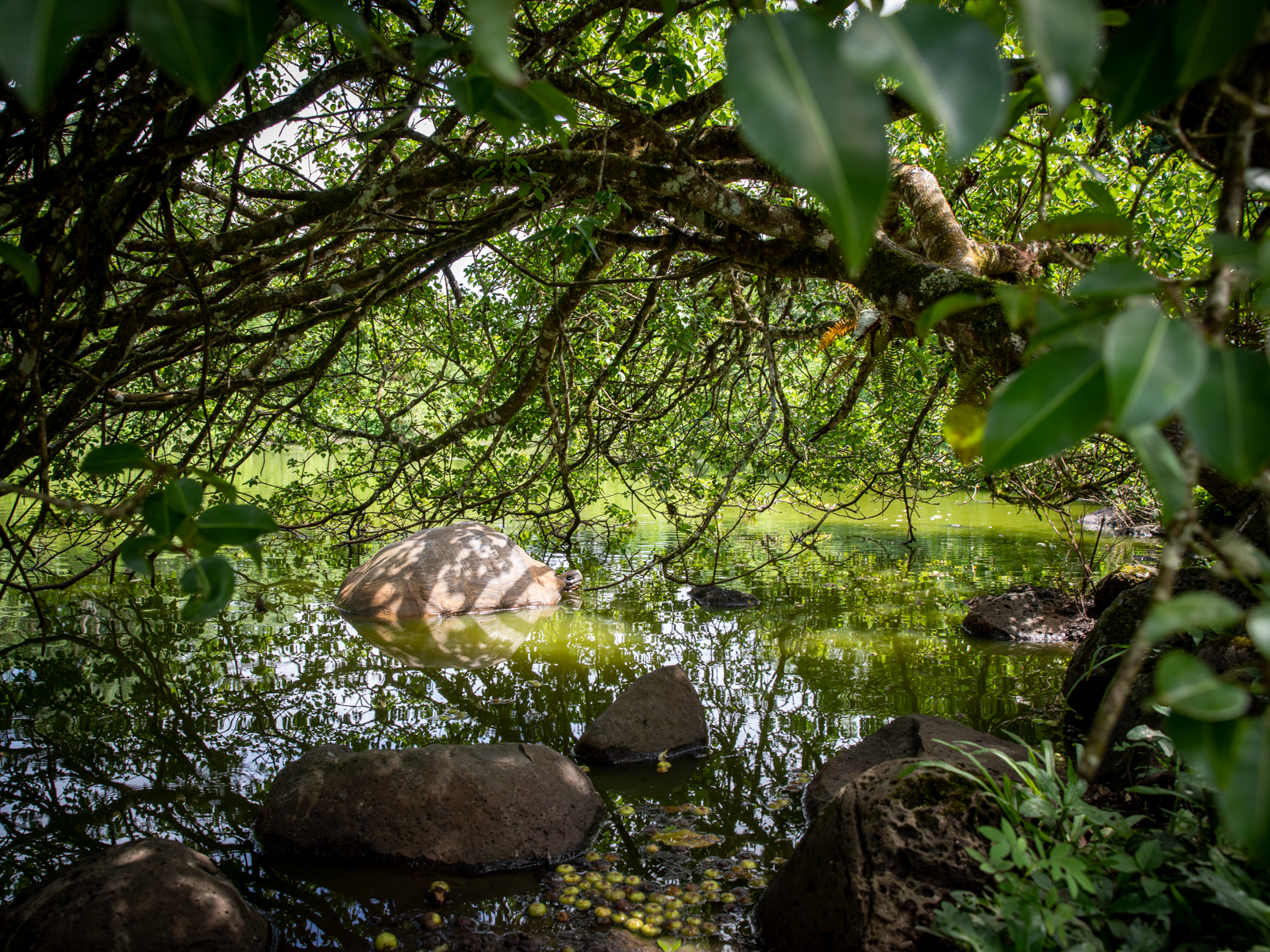
"Camouflage." Can you spot the animal here?
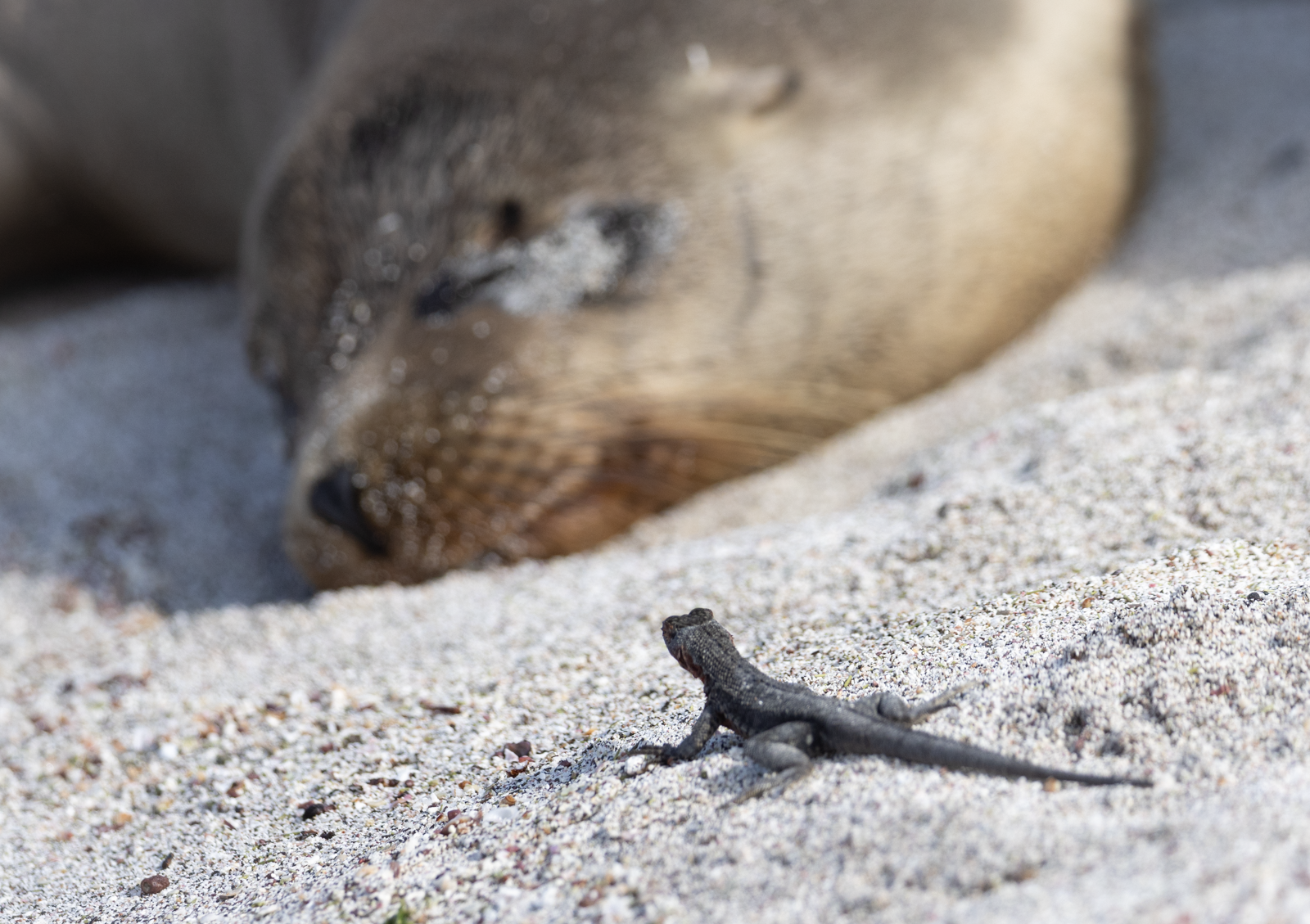
"Are you my mother?"
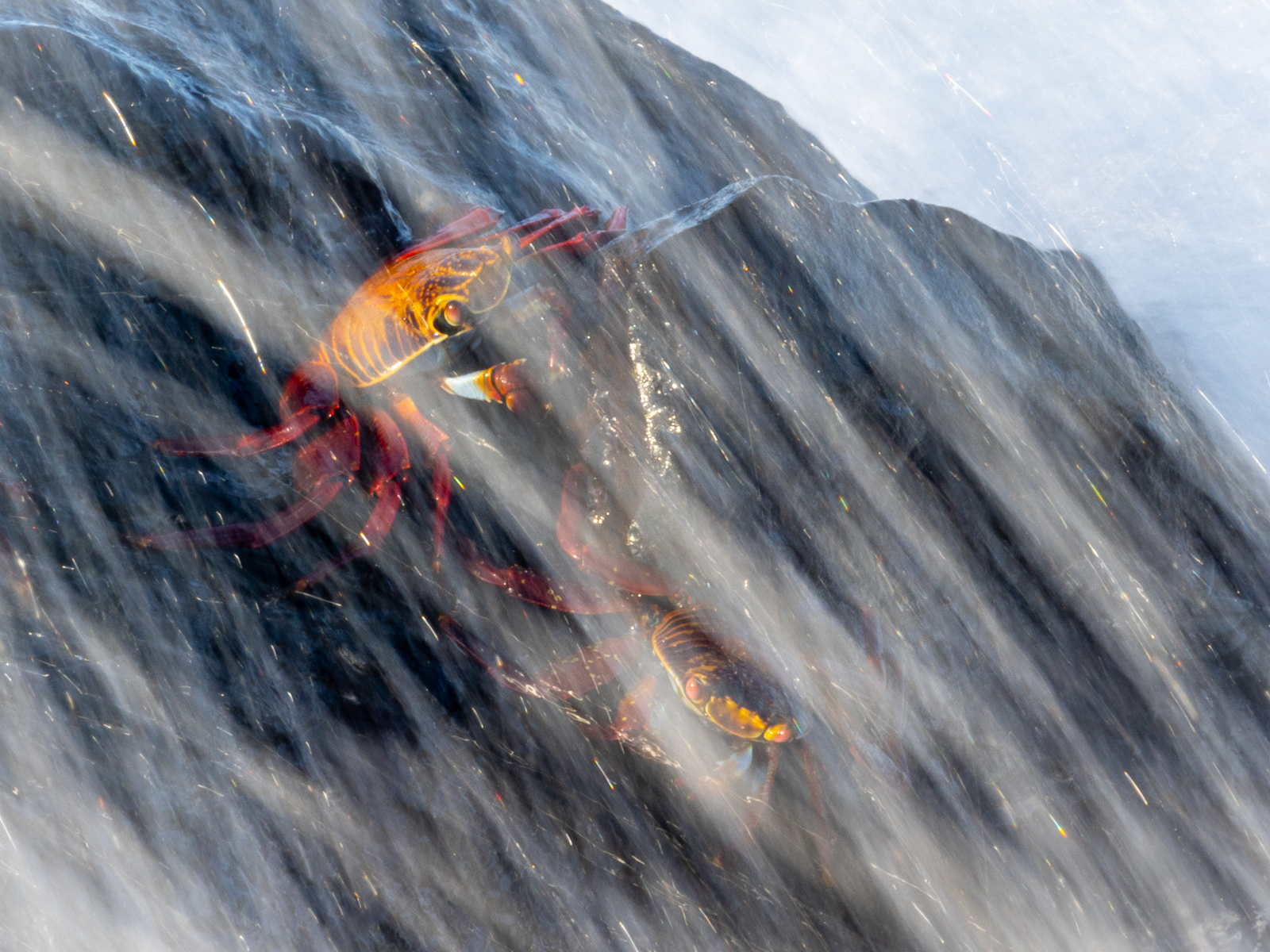
"Lightfoot." The Sally Lightfoot crab is a beautiful crab endemic to South and Central America. They are found on all of the Galápagos Islands where they have an essential role in clearing the shoreline of organic debris and as a food source for the many coastal birds and sea lions of the Galapagos. They are named for a famous Caribbean dancer due in part to their vivid coloring, grace, and agility. This pair is seen crouched down underneath an ocean spray.
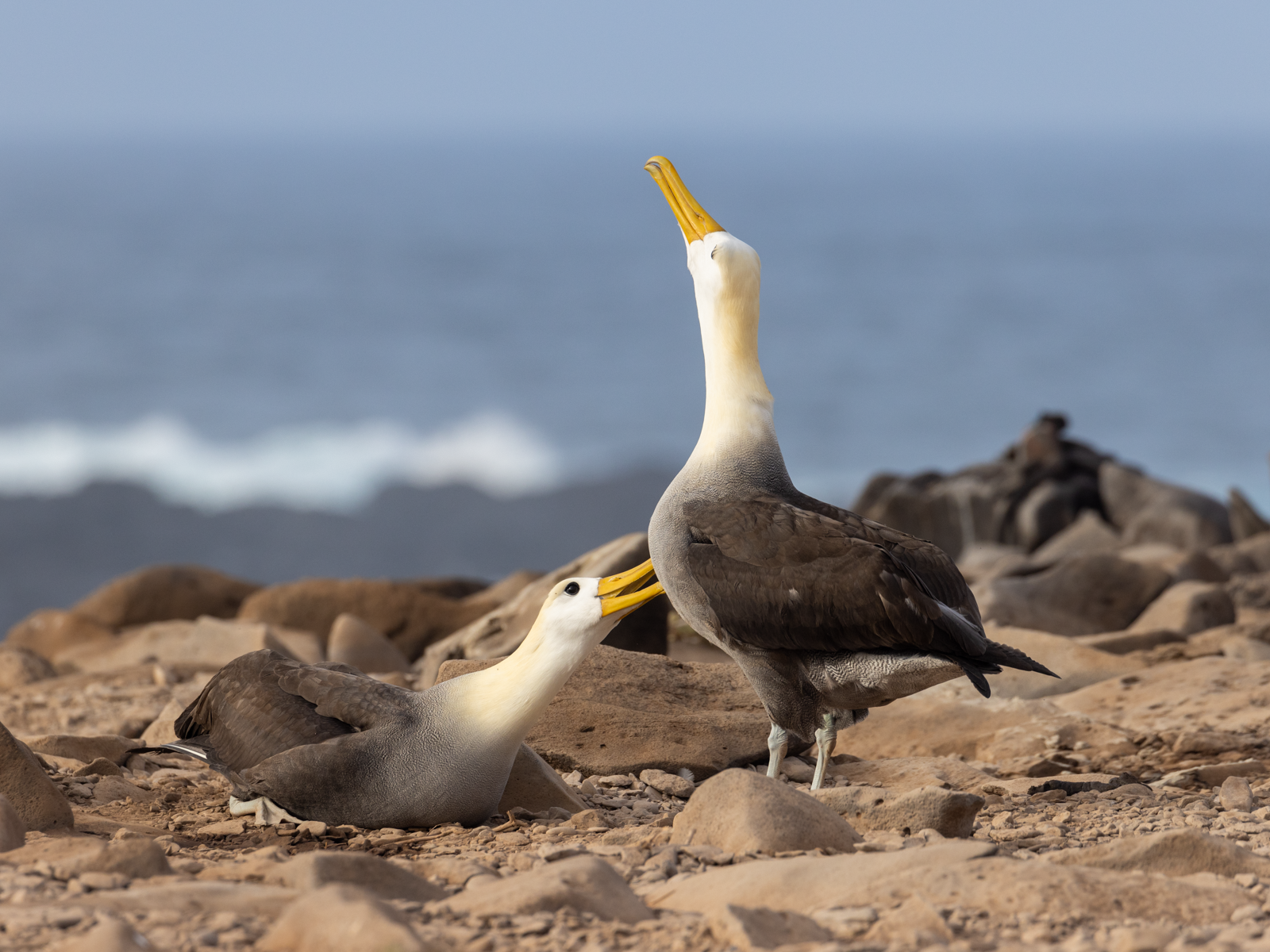
"Straighten my tie."
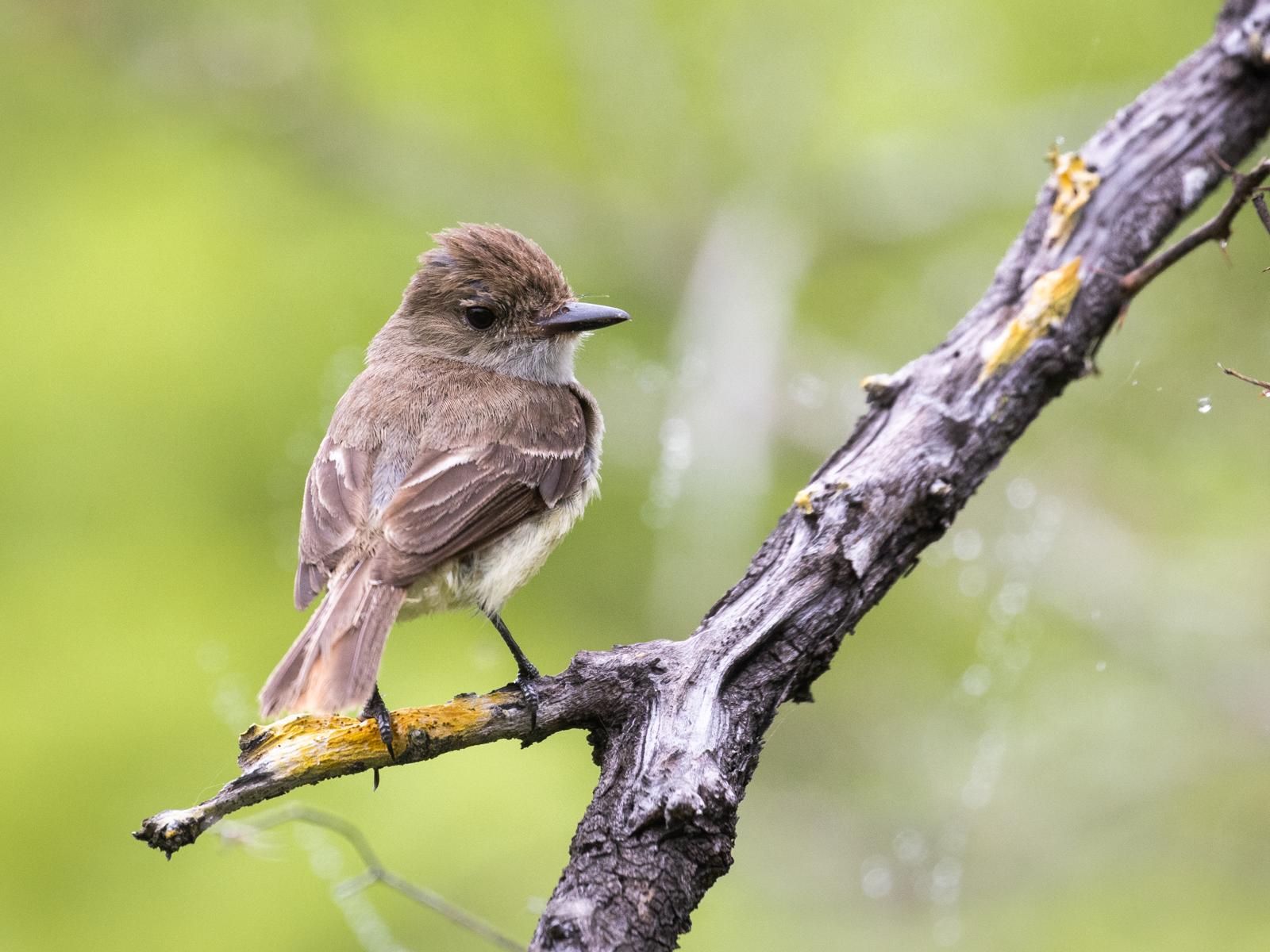
"Galapagos Flycatcher."
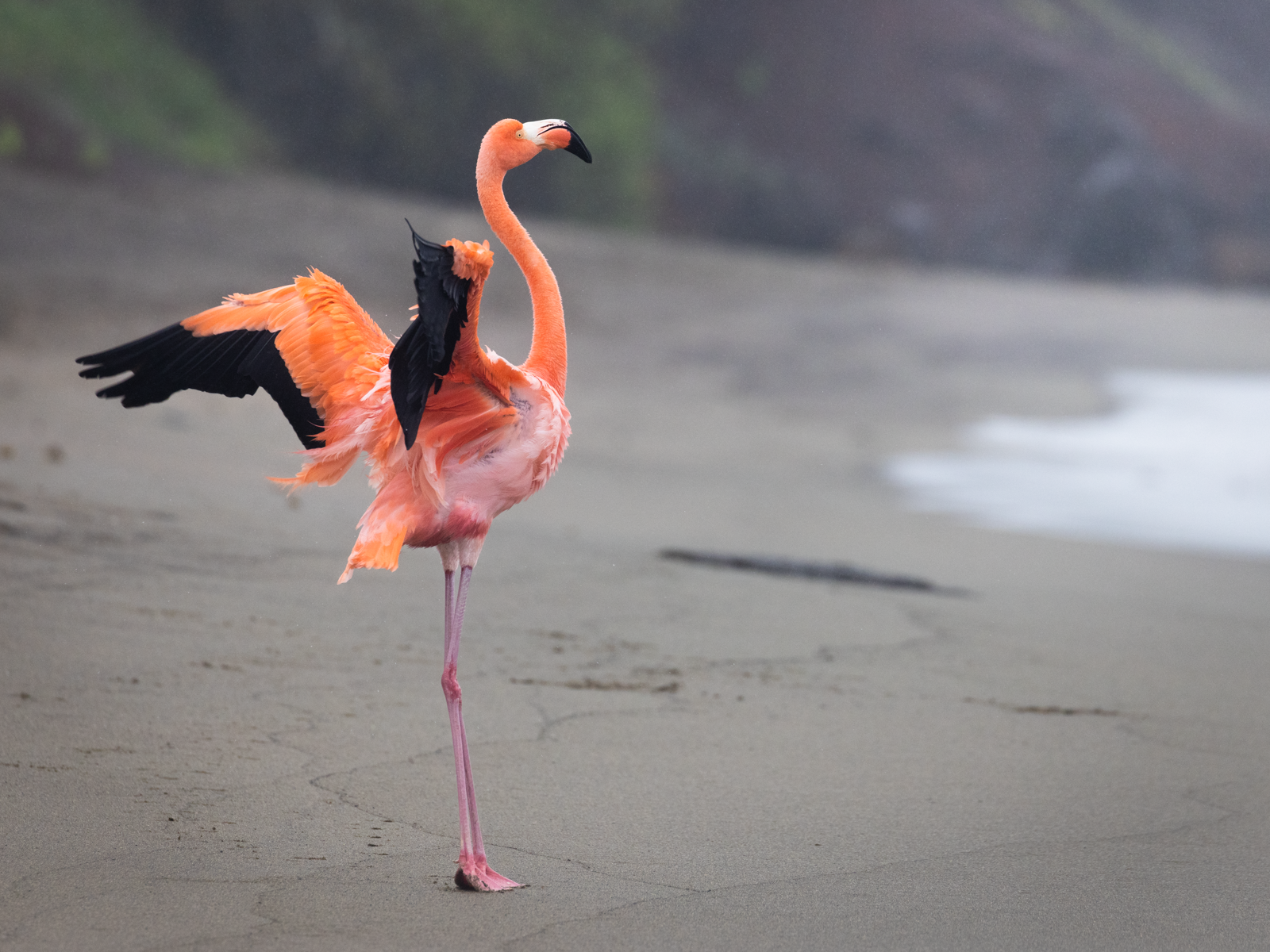
"The Dancer."